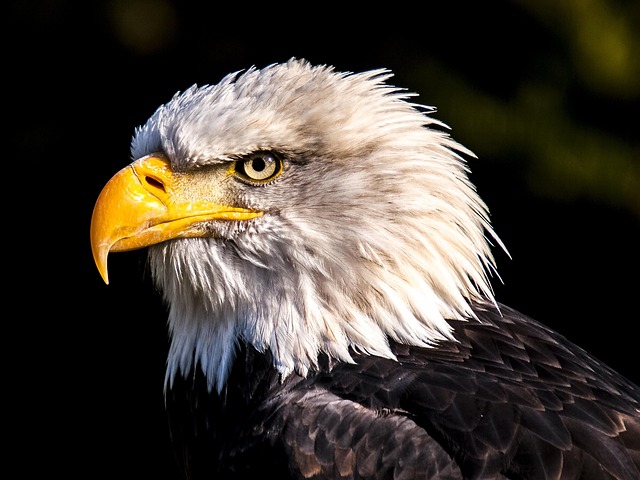
Eagles are apex predators with a diet that varies by species and habitat. Here is what they eat and how they hunt.
What eagles eat
Eagles are carnivores whose diet depends on their type. Sea and fish eagles such as the bald eagle feed heavily on fish, while golden eagles specialise in mammals like rabbits, hares and ground squirrels. Many eagles also take other birds, reptiles and, when food is scarce, carrion from dead animals. Larger tropical species such as the harpy eagle hunt monkeys and sloths. This flexibility helps eagles thrive in many habitats. Learn about the different species in types of eagles.
How eagles hunt
Eagles hunt using superb eyesight, said to be several times sharper than a human's, spotting prey from great heights. They typically swoop down and seize animals with strong, curved talons. Fish eagles snatch prey from the water surface, sometimes stealing catches from other birds, while golden eagles chase mammals across open ground. Eagles will also scavenge to save energy when the chance arises. As top birds of prey, they play an important role in keeping prey populations in balance.
Diet by type of eagle
Eagles are not all after the same meal. Fish and sea eagles, such as the bald eagle, take mostly fish, plucking them from the water with their talons. Golden eagles are hunters of the land, chasing mammals like rabbits and hares across open country. And in the rainforests of Central and South America, the mighty harpy eagle snatches monkeys and sloths straight from the treetops. So the answer to what an eagle eats depends a great deal on which eagle you mean and the landscape it calls home. Our types of eagles page explores these differences further, and there is plenty more on the bald eagle too.
How much an eagle eats
An eagle's appetite is not as steady as you might expect. On an average day, an eagle may eat around a pound of food, but it does not need to eat every day. When a large meal comes along, an eagle can gorge itself, storing extra food in its crop, a pouch in the throat. This lets it draw on those reserves and go for several days without a fresh kill if hunting is poor. It is a sensible way to cope with the ups and downs of finding prey in the wild, where a good meal today may have to last.