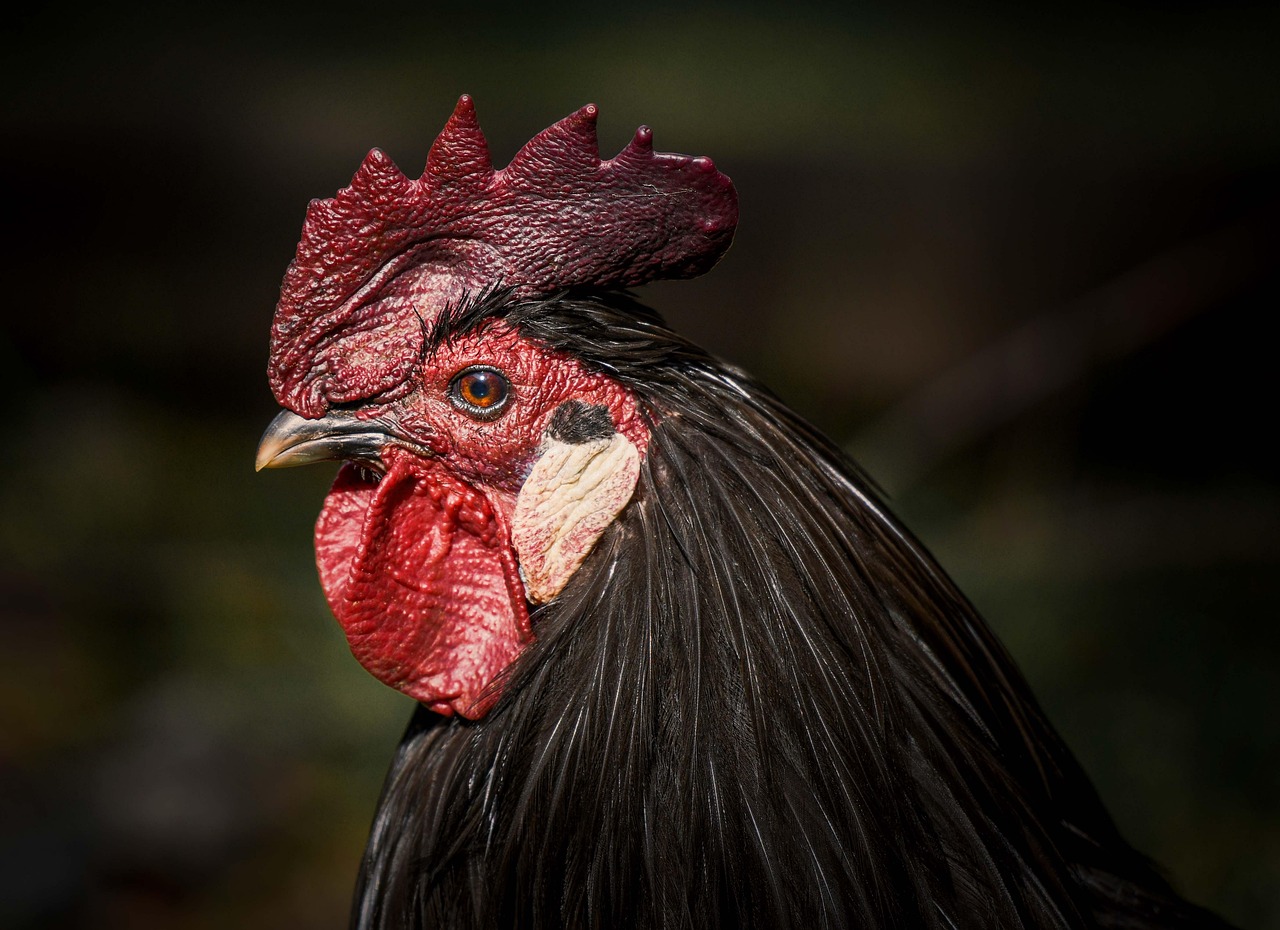
It is the question almost every new keeper asks, and the answer is refreshingly simple.
Do hens need a rooster to lay?
No. A hen lays eggs on her own natural cycle whether or not a rooster is anywhere near her. Laying is triggered by daylight, breed, age and health — not by the presence of a male. Commercial egg farms and countless back gardens run entirely on hens, with no rooster in sight. If your birds are the right age and well looked after, they will lay. For the timing, see when hens start laying.
What a rooster is actually for
A rooster has exactly one job when it comes to eggs: fertilising them. Only a fertilised egg can develop into a chick if it is incubated, either under a broody hen or in an incubator. Without a rooster, the eggs your hens lay are unfertilised — perfectly good to eat, but they will never hatch, no matter how long they are kept warm. A rooster does not make hens lay more eggs or bigger eggs; he simply makes hatching possible.
Should you keep a rooster?
Whether a rooster earns his place depends on what you want from your flock. On the plus side, a good rooster watches for predators, keeps order among the hens and is needed if you hope to raise your own chicks. On the other hand:
- They crow loudly, and not only at dawn.
- Some become aggressive towards people or other birds.
- Many towns and councils restrict or ban roosters in residential areas because of the noise.
If you have bought young birds and are not sure what you have, our guide on telling a hen from a rooster will help. For eggs alone, most backyard keepers are perfectly happy with hens only.
Fertile eggs on the plate
If you do keep a rooster, there is no need to worry about the eggs you gather. A fertile egg collected daily is just as safe and tasty as an unfertilised one — it only begins to develop if it is kept warm for an extended period, which does not happen in the few hours before you reach the nest box. Regular collection means you will never crack open a surprise.
How to tell if an egg is fertile
You cannot tell a fertile egg from an unfertilised one just by looking at the shell — they are identical from the outside. The only way to check is to crack one onto a plate and look closely at the small pale spot on the yolk:
- An unfertilised egg shows a solid small dot, called the blastodisc.
- A fertile egg shows a faint ring or bullseye, called the blastoderm.
Even a fertile egg only ever begins to develop if it is kept warm for several days, whether under a broody hen or in an incubator. Because you collect the eggs daily, the ones on your plate never have the chance to start growing — so a fertile egg is simply a normal egg for eating.