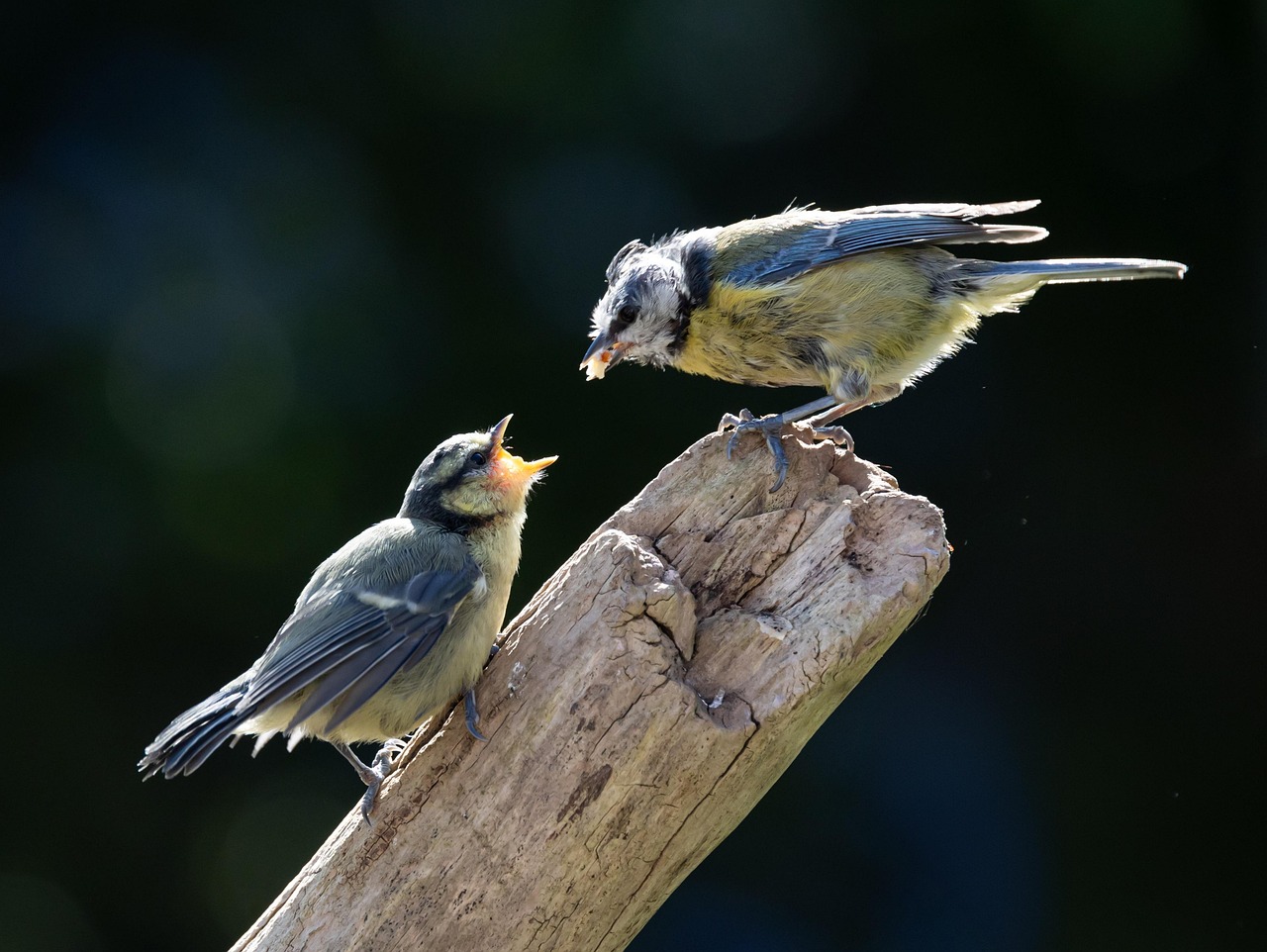
Raising chicks from a day old is hugely rewarding, and with a warm, clean, safe setup it is well within a beginner's reach.
Setting up the brooder
Before the chicks arrive, prepare a brooder: a warm, draught-free, predator-proof box or pen where they will spend their first weeks. It needs to be secure enough to keep cats, rats and other animals out, and roomy enough for the chicks to move around. Line it with clean, non-slip bedding such as wood shavings — avoid flat newspaper, which is slippery and can cause leg problems.
Getting the heat right
Warmth is the most important part of brooding, since tiny chicks cannot regulate their own temperature. Use a heat lamp or, more safely, a heat plate:
- In week one, aim for about 32 to 35°C (90 to 95°F) at chick level.
- Reduce the temperature by roughly 3°C (5°F) each week.
- Continue until they are feathered at around 6 weeks and comfortable at normal room or outdoor temperature.
Always arrange the heat at one end so chicks can move towards it or away from it. Watch their behaviour: huddled together under the heat means too cold; pressed to the far corners means too hot; spread out contentedly means just right.
Food and water
Feed a proper chick starter crumb, which comes in medicated or unmedicated forms and provides everything a growing chick needs. Give constant clean water in a shallow chick drinker, and pop a few clean marbles or pebbles into the water tray so the tiny birds can drink but cannot fall in and drown. Refresh food and water daily, and keep the drinker clear of bedding.
Health, growth and moving outside
Keep an eye on a couple of common issues. Pasty butt, where droppings stick and block a chick's vent, is common in the first days — gently clean it away with a little warm water so the chick can pass droppings freely. Beyond that, chicks feather out at around 6 weeks. Once they are fully feathered and night-time temperatures are mild, they can move to their outdoor coop. If anything seems seriously wrong, ask a vet or an experienced keeper rather than guessing. To know what to expect as they mature, see when hens start laying, part of our full chicken-keeping guide.
Introducing chicks to the flock
Chicks cannot simply be tipped in with grown hens — the pecking order can turn genuinely violent, and small birds may be badly hurt or worse. Wait until the youngsters are fully feathered and close to full size, which is usually around a couple of months old, before you even think about mixing them in.
The gentlest method is often called "look but don't touch". House the two groups side by side, separated by a mesh partition, for a week or two, so the birds can see, hear and get used to one another without any contact. Only then let them mingle, and do it under supervision at first so you can step in if squabbling gets out of hand. Take it slowly and the new birds will settle in far more peacefully. For the wider picture, see our chicken-keeping guide.