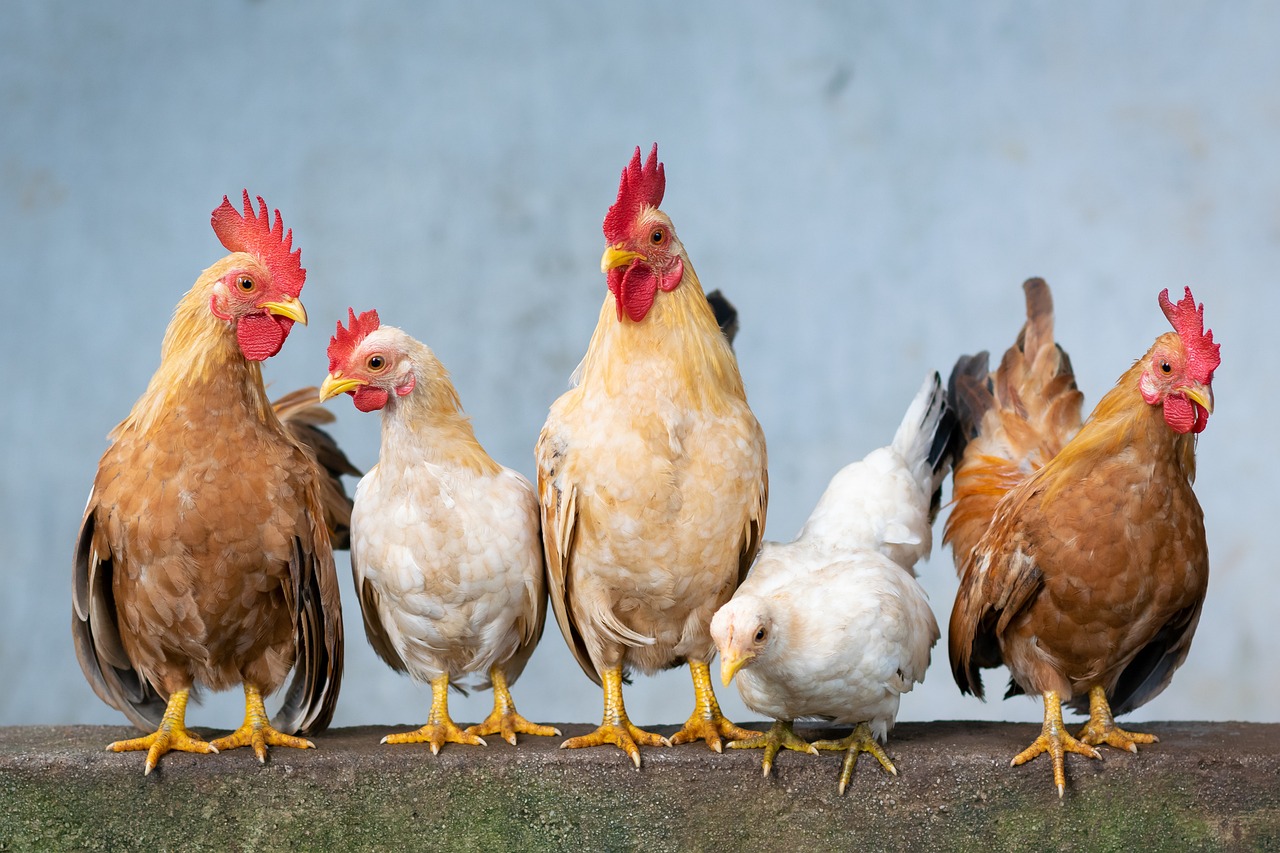
Chickens can be with you far longer than many people expect, so it is worth knowing what you are taking on.
A typical lifespan
A well-kept backyard hen usually lives somewhere between 5 and 8 years, and it is not unusual for a pampered bird to reach 10 or beyond. That makes chickens a genuine long-term commitment, closer to a cat or dog than a short-lived pet. It also means the laying years are only part of a hen's life — she can be a friendly member of the flock long after her most productive days are over.
Laying stops long before life does
One thing surprises many new keepers: a hen's egg output falls away years before she reaches old age. Production is at its best in the first two to three years, then drops noticeably, even though the bird may live on happily for several more. If you keep hens purely for eggs, it is worth deciding in advance how you feel about older, non-laying birds, because they can outlive their laying by a long way. For the laying side, see how many eggs chickens lay.
Hybrids versus heritage breeds
Not all chickens live equally long. Hard-working hybrid layers, bred to produce huge numbers of eggs, often burn brightly but briefly, living around 3 to 5 years. Traditional heritage breeds tend to lay fewer eggs but live longer, and are more likely to reach the upper end of the range. If longevity matters to you, the beginner breeds guide points out which types are the sturdier, longer-lived choices.
Helping your hens live longer
Genetics set the ceiling, but good care decides how close a hen gets to it. The single biggest cause of early death in backyard flocks is predators, so a secure coop and run, especially at night, does more for lifespan than almost anything else. Beyond that:
- Feed a proper, age-appropriate diet — see what chickens eat.
- Keep the coop clean and dry to limit disease and parasites.
- Watch for signs of illness and speak to a vet or experienced keeper early, rather than waiting.
Caring for older, retired hens
Because a hen often lives for years beyond her best laying, most keepers end up with older birds that produce few eggs or none at all. Far from being a burden, retired hens still earn their place — they forage happily, eat garden pests, and make calm, friendly companions once the frantic laying years are behind them.
Older birds may simply need a little more attention. Keep an eye on their weight and how easily they move about, make sure food and water are within easy reach, and watch for age-related problems creeping in. If you notice a hen going downhill, speak to a vet rather than waiting to see. Plenty of keepers are perfectly content to keep non-laying hens purely as pets. For the bigger picture of life with a flock, see our chicken-keeping guide.