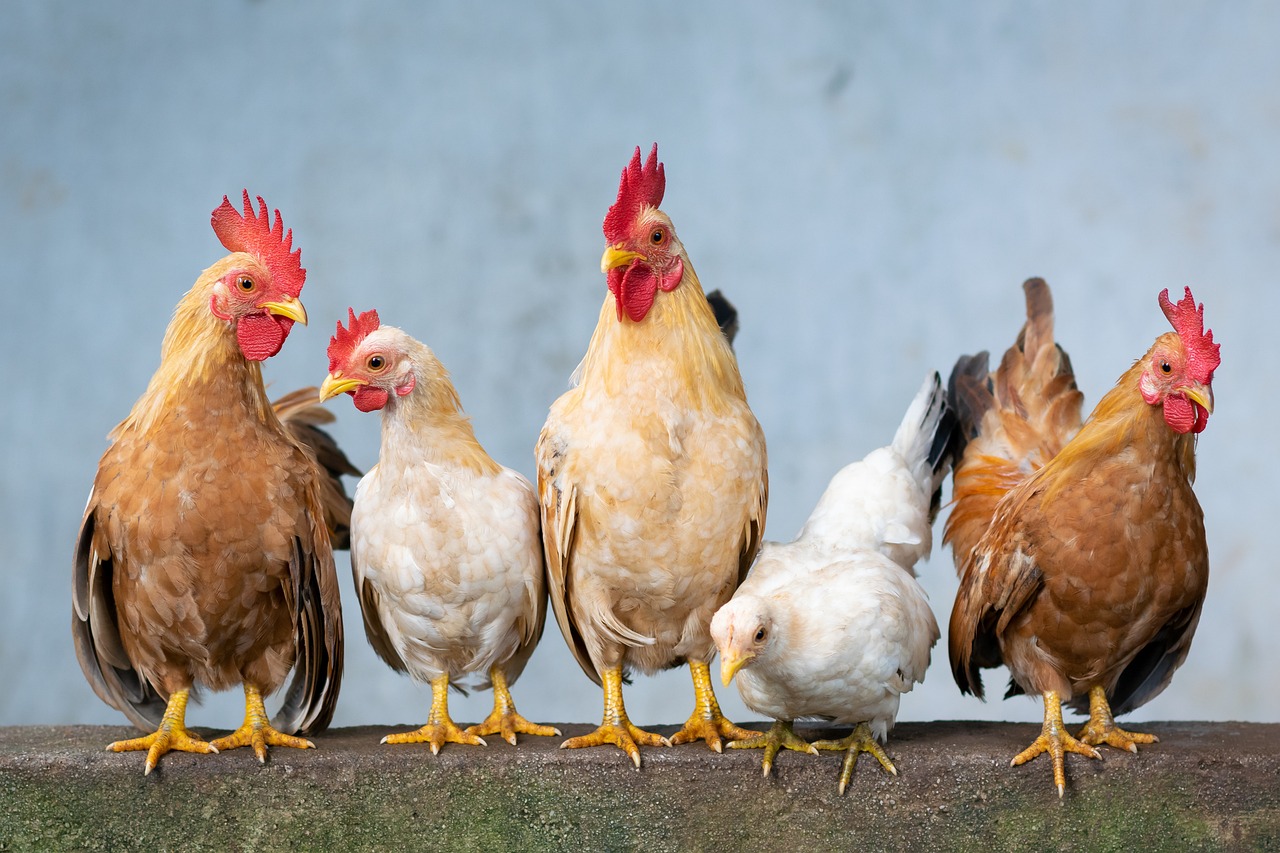
The right first breed makes chicken keeping easy and enjoyable, so it pays to choose calm, hardy birds that lay well.
What makes a good beginner breed
For your first flock, look for three things: a docile temperament that is easy to handle, hardiness that copes with your local weather, and reliable laying. Fancy looks and rare breeds can wait — settled, forgiving birds will teach you the ropes without unnecessary drama.
Nine dependable beginner breeds
Any of these are a sound place to start:
- Rhode Island Red — tough, adaptable and an excellent brown-egg layer.
- Buff Orpington — big, gentle and friendly; often goes broody.
- Australorp — calm and famously prolific, a superb layer.
- Sussex (especially Speckled and Light) — friendly, curious and dual-purpose.
- Plymouth Rock / Barred Rock — docile and a steady, dependable layer.
- ISA Brown and similar hybrid brown layers — very productive and friendly, though shorter-lived.
- Wyandotte — hardy and handsome, and does well in the cold.
- Easter Egger — hardy and fun, laying pretty blue or green eggs.
- Silkie — a gentle, fluffy pet and keen broody, but lays only a few eggs.
Hybrids or heritage breeds?
A key choice is between hybrids and traditional heritage breeds. Hybrids such as the ISA Brown lay more eggs, sooner, but tend to live shorter lives. Heritage breeds usually lay fewer eggs and are more inclined to go broody, but often live longer and keep going for more years. Neither is wrong — it simply depends on whether you want maximum eggs or a longer-lived garden companion.
Practical tips before you buy
Two things are worth sorting before you bring any birds home. First, keep at least three hens: chickens are highly social and a lone bird is an unhappy one. Second, check your local rules, as some councils limit how many hens you may keep or ban roosters entirely. Once your flock is settled, feeding them well is straightforward — see what chickens eat.
Breeds to think twice about at first
A few types of chicken are better suited to keepers who already have some experience. None of them are bad birds — they are simply less forgiving of the mistakes every beginner makes:
- Very flighty light breeds, such as pure Leghorns, can be flappy, nervy and hard to handle.
- Heavily broody breeds frustrate anyone who only wants a steady supply of eggs.
- Very large or elaborately feathered ornamentals often need extra grooming and care.
There is nothing wrong with growing into these birds once you have found your feet with a calmer, hardier flock. One more thing to settle early is whether you want any males at all — our guide on whether you need a rooster is a good place to start.