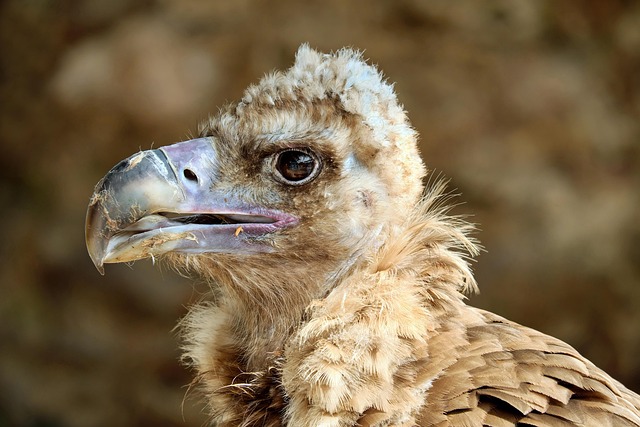
Vultures are specialised scavengers that play a vital role in the natural world. Here is what they eat and why it matters so much.
What vultures eat
Vultures feed almost entirely on carrion, meaning the bodies of dead animals rather than live prey. They will eat carcasses of all sizes, from small creatures to large mammals. Most vultures rarely kill for themselves, though some will take very weak or dying animals when the chance arises. Their powerful stomach acid lets them safely digest rotting meat that would sicken other animals. This scavenging habit sets them apart from hunting birds of prey that catch living prey.
Why vultures matter
By quickly consuming dead animals, vultures act as nature's clean-up crew, removing carcasses before they spread disease. This service helps limit the spread of illnesses such as anthrax and rabies through an ecosystem. Vultures find food using keen eyesight, and some species also rely on a strong sense of smell. In regions where vulture numbers have crashed, disease and pests have often increased, showing just how important these misunderstood birds are to healthy environments.
Turkey vultures versus black vultures
Two of the most familiar vultures in the Americas find their meals in very different ways. Turkey vultures have an unusually strong sense of smell, which is rare among birds, and can detect a carcass from a distance even when it is hidden from view. Black vultures, by contrast, have a poor sense of smell and rely mostly on their eyes. Clever as ever, black vultures often watch and follow turkey vultures, letting their sharp-nosed cousins do the hard work of finding a meal before muscling in to share it. It is a neat example of how two similar birds can carve out different roles.
The threats vultures face
For all their toughness, vultures are surprisingly vulnerable to poisoning. Because they feed on carcasses, they can swallow harmful substances left behind in the bodies of dead animals. Lead from ammunition in shot carcasses is one danger. Another is diclofenac, a drug given to livestock, which proved so deadly that it crashed vulture populations across Asia in a matter of years. These threats have made some vulture species among the most endangered birds in the world, which is troubling given the vital clean-up work they do. Our birds of prey page covers more about these remarkable scavengers.