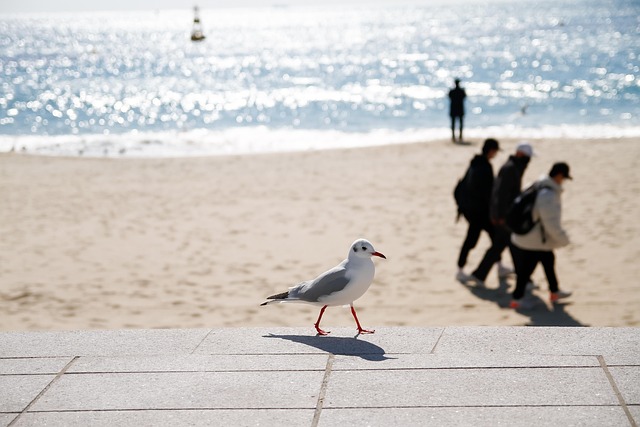
Seagulls — properly just gulls — are among the boldest, most adaptable birds around, and their willingness to eat almost anything is exactly why they thrive along coasts and in towns.
What seagulls eat naturally
Gulls are opportunistic omnivores. Their natural diet includes fish, crabs, shellfish, worms, insects and other small creatures, along with eggs and the chicks of other birds. They forage along the shoreline, follow fishing boats, and are clever enough to drop shellfish onto rocks to crack them open.
Gulls and human food
Around people, gulls have become expert scavengers of chips, bread and any dropped or unguarded food — sometimes snatching it straight from hands. This junk food is not good for them, and feeding gulls tends to make them bolder and more aggressive around people, which is why it is discouraged in many seaside towns.
Should you feed seagulls?
It is best not to feed seagulls, especially processed human food. It harms their health, encourages large aggressive flocks, and can create real problems in busy public places. Enjoy watching them forage naturally instead, and keep your own food covered at the beach.
Coastal gulls versus town gulls
Where a gull lives shapes what it eats. Along the coast, gulls feed naturally on fish, crabs, shellfish, worms and eggs. Some are remarkably resourceful, dropping shellfish onto rocks from a height to crack the shells open and reach the meat inside. In towns and cities, though, gulls take a very different approach, scavenging from bins and hoovering up dropped food wherever people gather. It is the same bird behaving in two quite different ways, depending on whether it is following the tide or the crowds. Our water birds page has more on these adaptable coastal species.
Why feeding gulls chips backfires
Handing a gull your chips might feel harmless, but it does more harm than good. Junk food is poor nutrition for a bird built to eat fish and shellfish. Worse, feeding gulls teaches them to associate people with food, which makes them bolder and more aggressive. Before long they may start snatching food straight from hands, and come to rely on scraps rather than foraging naturally. Resisting the urge to feed them is kinder in the long run, both for the gulls and for everyone trying to enjoy a seaside meal in peace. See our page on how long seagulls live for more.