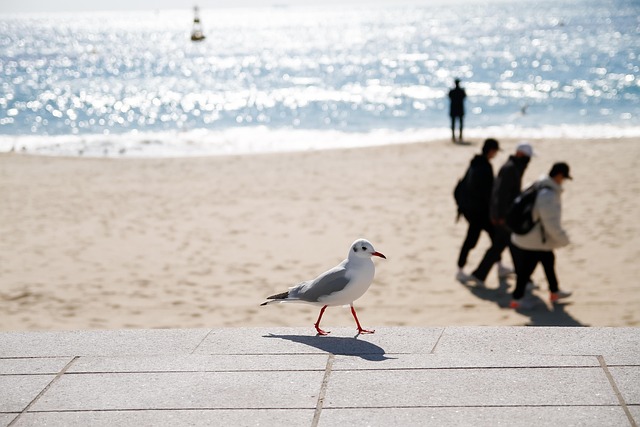
Seagulls are often dismissed as scruffy scavengers, but they are surprisingly long-lived birds — some individuals reaching an age that rivals a pet parrot.
A long life for a wild bird
Gulls are among the longer-lived wild birds. Many live 10 to 15 years, and larger species such as herring gulls commonly reach 20 to 30 years. Ringed wild gulls have been recorded living close to 50 years, which is remarkable for a wild bird.
Why gulls live so long
Gulls are intelligent, adaptable and opportunistic, which helps them find food and avoid danger in almost any environment — coast, farmland or city. That flexibility, combined with few natural predators once they are adults, lets many gulls reach a good age. As with most birds, the first year is the riskiest.
What shortens a gull's life
Young gulls face the greatest dangers, and adults can be harmed by fishing gear, pollution, eating human junk food, and collisions. Healthy coastal and wetland habitats, and not feeding them processed scraps, help gulls live the long lives they are capable of.
Threats to gulls today
For all their toughness, gulls face growing pressures from living close to people. Conflict with humans is common, as gulls are often treated as pests and sometimes culled. Plastic and discarded litter pose a real danger, whether swallowed or tangled around a bird. Rubbish brings another risk too: botulism, a poisoning that can spread where waste builds up. These modern hazards can cut short lives that would otherwise be remarkably long. To see how gulls fit among their relatives, browse our water birds guide.
Record-breaking gulls
Large gulls are among the longer-lived seabirds, and their records are genuinely impressive. Whilst many commonly reach ten to fifteen years, plenty live to twenty or thirty and beyond. One herring gull has even been recorded at around forty-nine years old, a remarkable age for a wild bird. Smaller gull species tend not to live quite as long, but the bigger gulls show just how durable these coastal survivors can be when they avoid the worst dangers.