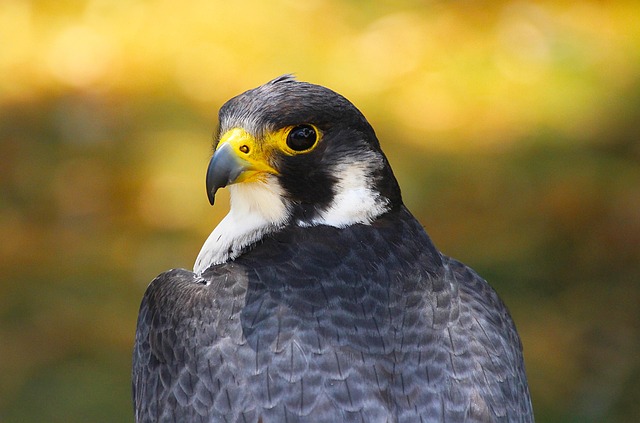
Falcons are sleek, fast raptors built for catching prey on the wing. Here is what they eat and the remarkable way they hunt.
What falcons eat
Most falcons feed largely on other birds, which they catch in flight, along with small mammals, insects and reptiles depending on the species. The peregrine falcon specialises in birds such as pigeons, ducks and shorebirds. Smaller falcons like the kestrel hunt insects, mice and voles, often hovering over fields to spot them. This bird-heavy diet sets falcons apart from many other birds of prey that hunt more from perches or on the ground.
How falcons hunt
Falcons have long, pointed wings built for speed and agility rather than soaring. The peregrine falcon is famous for its hunting stoop, a high-speed dive in which it can reach over 200 miles per hour, making it the fastest animal on Earth. It strikes flying prey in mid-air with clenched talons. Falcons rely on sharp eyesight and sudden bursts of speed to overtake their targets. To compare with other hunters, read what hawks eat.
Different falcons, different menus
Not every falcon hunts the same way, and their diets reflect this. Peregrines are specialists in catching other birds in mid-air, striking pigeons, ducks and starlings on the wing. Kestrels take a gentler approach: they hover in one spot, watching the ground below, then drop onto voles, mice and insects. Merlins are built for the chase, pursuing small birds in fast, low flights. Larger falcons, meanwhile, are strong enough to take bigger prey. So while all falcons are skilled hunters, what ends up on the menu depends very much on the species and where it lives. You can read more about other feathered hunters on our birds of prey page.
The falcon's hunting stoop
The peregrine falcon's most famous move is its hunting dive, known as a stoop. Climbing high above its target, the peregrine folds its wings and plunges, reaching around 240 mph (385 km/h). That astonishing speed makes it the fastest animal on Earth. As it closes in, the falcon strikes its prey with clenched talons, often knocking a bird clean out of the sky before circling back to collect it. It is a breathtaking bit of natural engineering, and one reason falcons are so admired. If you enjoy comparing hunting styles, our page on types of hawks is worth a look.