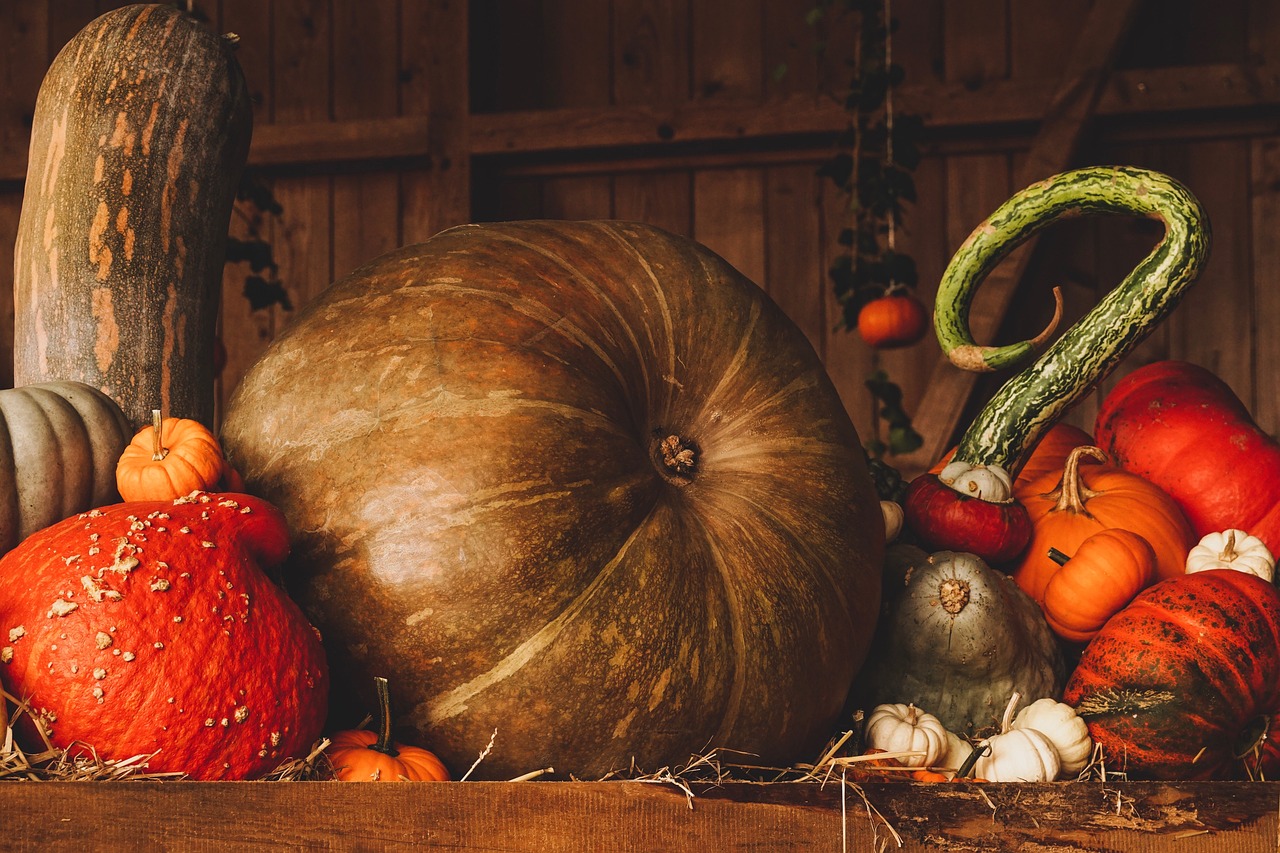
Pumpkin comes into its own in autumn, when there is often a glut of it around. Flesh and seeds alike make a nutritious treat — but there is one popular myth worth setting straight before you rely on it.
Can chickens eat pumpkin?
Yes. Pumpkin is a safe and nutritious treat, and chickens can eat both the soft flesh and the seeds. The flesh is hydrating and full of vitamins, while the seeds add a bit of protein and healthy fats, so the whole thing is useful. It is a particular favourite in autumn, when pumpkins are cheap and plentiful and there always seem to be leftovers going spare. As with every treat, pumpkin should stay within the guideline of extras making up around a tenth of the diet, with a complete layer feed providing the rest. Our guide to a balanced chicken diet sets out how that balance works, and there is more in our backyard chicken guides.
The dewormer myth — worth knowing
You will often hear that pumpkin seeds act as a natural wormer for chickens, thanks to a compound called cucurbitacin. It is one of the most repeated bits of chicken-keeping folklore. The honest truth is that this is a popular belief rather than a proven fact — there is no solid scientific evidence that feeding pumpkin seeds reliably rids a flock of worms. By all means offer the seeds as a healthy treat, because they are genuinely nutritious, but please do not rely on them in place of a proper worming programme. If you suspect your birds have a worm burden, the right course is a vet-approved wormer and, where needed, advice from a vet. Treating pumpkin seeds as a cure could leave a real infestation untreated, which is the last thing you want. Enjoy the seeds for what they genuinely are — a tasty, nutritious snack — and handle worming as a separate matter with proper products and, if needed, professional advice.
How to feed pumpkin to your chickens
Pumpkin is easy to serve and hens tuck straight in.
- Cut the pumpkin open and let the flock peck at the soft flesh and stringy insides.
- Offer the seeds too — they are safe and nutritious.
- Chop larger pieces so several birds can share.
- Feed it as a treat, not a staple, and keep grit available.
- Remove leftovers before they go mouldy, especially in mild weather.
It pairs well with other autumn veg such as carrots.
Never feed carved or mouldy pumpkins
Come Halloween there is a temptation to hand the old jack-o'-lantern to the chickens, but take care. A carved pumpkin that has sat out for days may have started to go mouldy, and mouldy food should never be fed to chickens as it can make them ill. Likewise, a pumpkin that has held a lit candle can be coated in soot or wax residue, which you do not want your birds eating. Stick to fresh, clean pumpkin flesh and seeds. If in doubt, when it comes to anything that looks or smells off, throw it on the compost rather than into the run. It is also worth knowing that pumpkin's close relatives in the squash family, such as butternut squash, are safe in the same way, so a leftover half of any plain, fresh squash can go to the flock rather than the bin. Autumn tends to bring a glut of these, and your hens are only too glad to help you use it up.