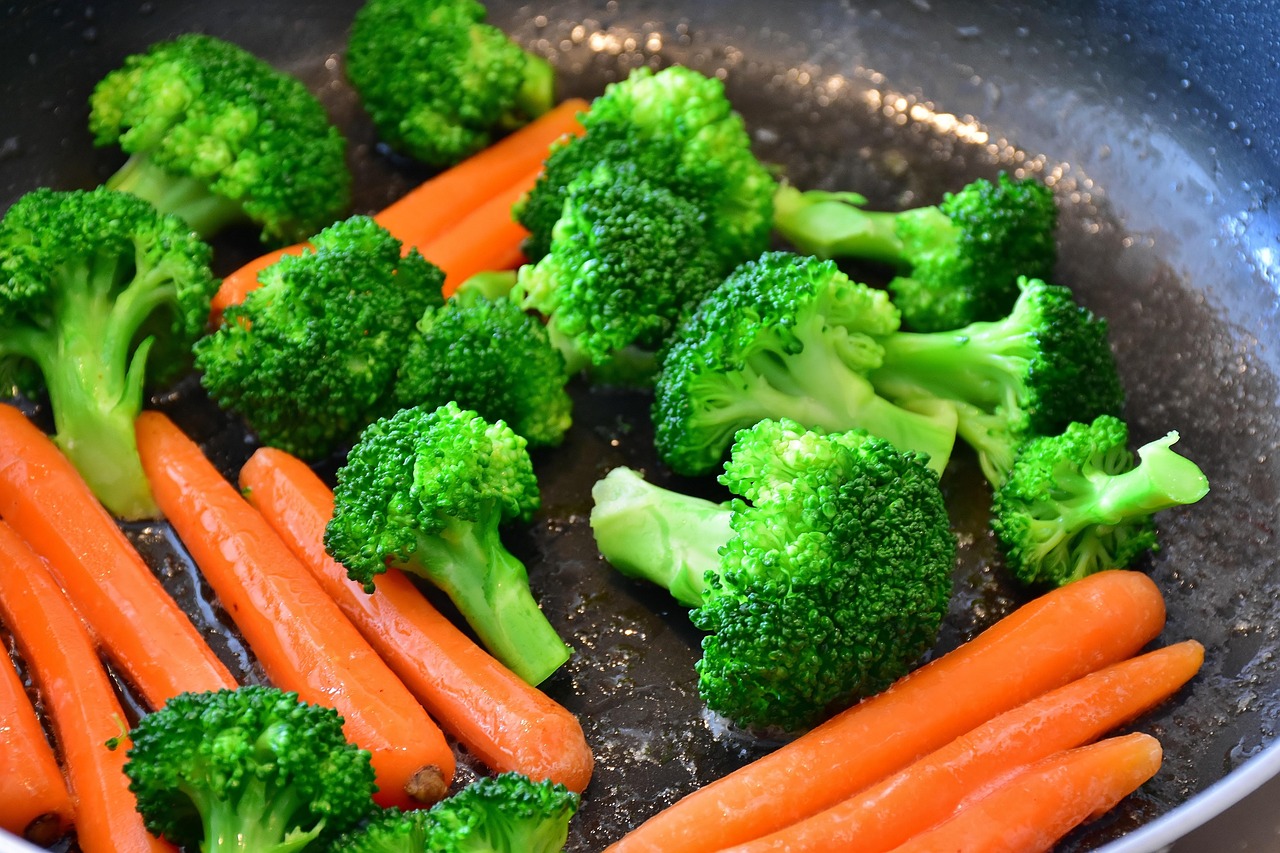
Carrots are a cheap, cheerful and genuinely useful treat, and there is very little of them your flock cannot use. Here is how to serve them, why the tops count, and the link to those lovely golden yolks.
Can chickens eat carrots?
Yes. Carrots are a safe and nutritious treat, and they are wonderfully versatile — chickens will eat them raw or cooked, and the leafy green tops as well. Raw carrot is quite hard, so the easiest way to serve it is grated or shredded, which lets even smaller hens get stuck in without much effort. Cooked carrot is softer and easier still. Either way, carrots are best thought of as a treat or supplement rather than a staple; they should sit within the guideline of extras making up around a tenth of the diet, with a complete layer feed providing the rest. You will find that balance explained in our guide to a balanced chicken diet.
Health benefits and golden yolks
Carrots are best known for beta-carotene, the pigment that gives them their orange colour. Chickens convert dietary pigments like this, and a diet with plenty of colourful veg is part of what gives home-laid eggs their rich, golden yolks — one of the small joys of keeping your own hens. Beyond that, carrots bring vitamins, fibre and a bit of natural sweetness that birds enjoy. The green tops are safe and well liked too, so a bunch of carrots with the leaves still on is a two-in-one treat. They go nicely alongside other colourful veg such as pumpkin.
Carrots also happen to store well through the colder months, which makes them a handy winter treat when fresh greens are thin on the ground. A little grated carrot mixed into warm, softened food on a frosty morning is the kind of small comfort that keeps a flock content, and it adds a welcome splash of colour to their day when the garden has little else to offer.
How to feed carrots to your chickens
The main thing with carrots is making them easy to eat, since raw carrot is firm.
- Grate or shred raw carrot so the whole flock can manage it easily.
- Alternatively, cook and soften carrot, then chop it small.
- Offer the leafy tops too — they are safe and enjoyed.
- Wash carrots to remove any pesticide residue before feeding.
- Keep grit available so your birds can grind down the firmer pieces.
Fresh, peelings and leftovers
Carrots are a brilliant way to use up kitchen bits. Carrot peelings, the ends you would normally bin, and leftover cooked carrot from dinner are all fair game, provided they are plain — no butter, salt or seasoning, which chickens do not need. This makes carrots one of the most economical treats you can offer. Just keep portions modest so they do not crowd out the balanced feed your hens depend on, and clear away any uneaten pieces before they spoil. Remember that carrots, for all their goodness, do not carry the protein and calcium a laying hen needs, so they remain a supplement rather than a staple. For more everyday feeding ideas, have a look through our backyard chicken guides.