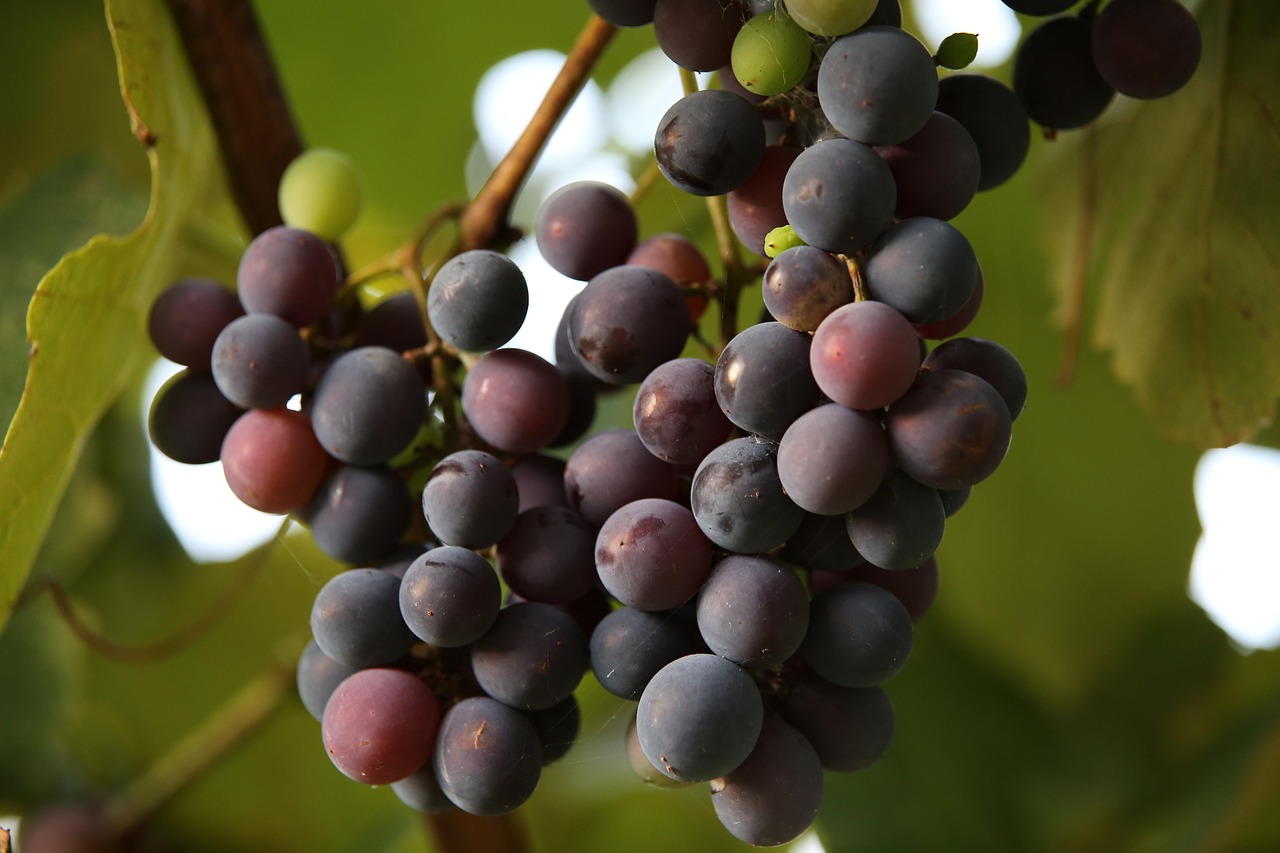
Grapes are the treat most likely to turn a calm flock into a stampede. Hens adore them, and they are great for hydration — but there are two simple things to get right before you hand them out.
Can chickens eat grapes?
Yes, and few treats are more popular. Grapes are juicy, sweet and easy to peck, which is exactly why chickens go mad for them. Both seedless and seeded grapes are fine — the seeds are harmless — and the high water content makes grapes a lovely way to help your birds stay hydrated in warm weather. The two things to keep in mind are size and sugar. Grapes are round and slippery, which brings a real choking risk, and they are sugary enough that a big handful is too much of a good thing. Treats overall should stay at around a tenth of the diet, with a complete feed making up the rest, as covered in our guide to a balanced chicken diet.
Why you should halve grapes
A whole grape is roughly the size and shape of something a hen can try to swallow in one go, and because they are smooth and slippery they can lodge in the throat. This is a genuine choking hazard, and it is worse for smaller breeds, bantams and young birds. The fix takes seconds: cut every grape in half before you feed it. Halving also lets the birds get at the juicy inside more easily and means one grape can be shared rather than bolted whole by the fastest hen. If you are feeding chicks or particularly small birds, quartering is even safer. It is a small habit to get into, but a worthwhile one — a choking incident is distressing and entirely avoidable with a few seconds of chopping.
How to feed grapes to your chickens
Grapes are best handed out as an occasional treat rather than a daily one, simply because of the sugar. A few halved grapes per bird is plenty to keep everyone happy.
- Wash the grapes to remove any pesticide residue.
- Halve every grape — or quarter them for bantams and chicks — before feeding.
- Scatter them so the whole flock gets a share and no single hen hogs the bunch.
- Limit portions to a few grapes each, as they are sugary.
- Keep grit and fresh water available at all times.
They make a great pairing with other juicy favourites such as watermelon on a hot day.
A note on portions
Because grapes are such a hit, it is easy to overdo them — your hens will always act as if they are starving. Try to resist. Too much sugary fruit can crowd out the layer feed that keeps them healthy and laying, and it can loosen droppings if they really gorge. Think of grapes as a special little bonus a couple of times a week, not a daily ration, and everyone stays happy and well.
One last thing worth knowing: raisins and sultanas are simply dried grapes, and while they are not toxic, drying concentrates the sugar dramatically, so they are far sweeter by weight than fresh grapes. If you offer them at all, make it a mere pinch. Fresh, halved grapes are always the better choice for a flock, and their high water content is part of what makes them such a good warm-weather treat in the first place.