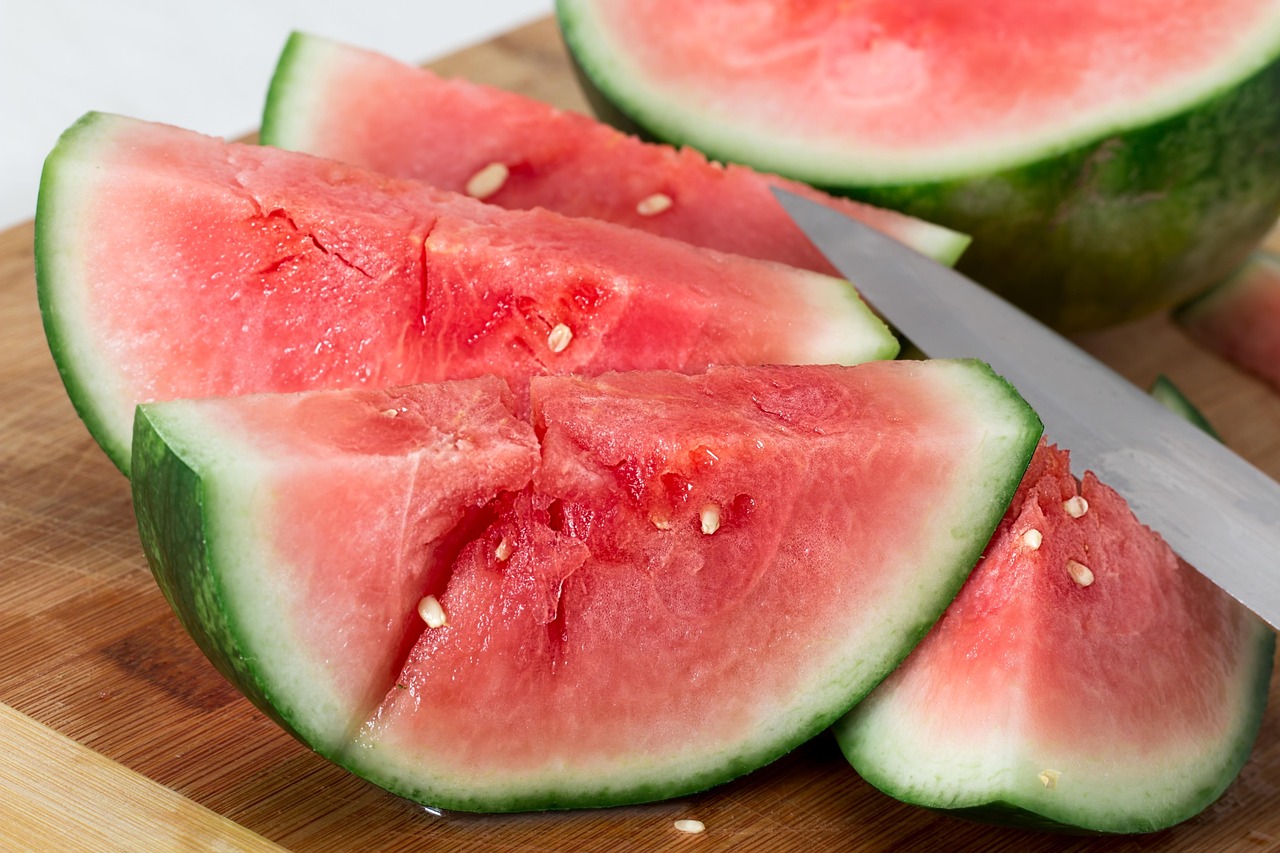
On a scorching summer day, few treats beat watermelon. It is roughly ninety-two per cent water, so it is a brilliant way to keep a flock cool and hydrated. Here is how to make the most of it.
Can chickens eat watermelon?
Yes, and it is one of the best summer treats going. Almost the whole fruit is fair game: chickens love the juicy red flesh, they will happily peck away at the rind, and the seeds are safe too, so there is no fiddly preparation required. Because watermelon is around ninety-two per cent water, it is superb for hydration when the weather turns hot — though it should never replace a constant supply of fresh drinking water. The flesh is sweet, so watermelon still counts as a treat within the usual guideline that extras make up about a tenth of the diet. The rest should be a complete layer feed, as set out in our guide to a balanced chicken diet.
A great treat for hot weather
Chickens cope less well with heat than many people realise, and a hydrating snack on a sweltering afternoon can be a real help. A slice of cold watermelon gives them moisture and a bit of natural sugar for energy, and pecking at it keeps them occupied during the hottest part of the day when they might otherwise just stand around panting. Some keepers even chill or freeze chunks first for an extra cooling effect. It pairs well with other watery treats such as cucumbers for a proper summer spread.
It helps to know the signs of a hen struggling in the heat: panting with an open beak, holding the wings away from the body, and standing about looking listless. A hydrating treat is no substitute for shade and cool water if a bird is genuinely overheating, but it is a useful part of helping a flock through a heatwave. Other melons such as cantaloupe and honeydew are safe too and can be offered in the same way, so a leftover wedge of any melon need not go to waste.
How to feed watermelon to your chickens
Watermelon takes no real effort to serve. Cut it into slices or chunks and let the flock get stuck in.
- Cut the melon into slices or wedges so several birds can feed at once.
- Let them eat the flesh and peck the rind down — both are fine.
- Don't worry about the seeds; they are harmless to chickens.
- Offer it as a treat, not a daily food, because of the sugar in the flesh.
- Keep grit and fresh water available alongside it.
Keep the run tidy in the heat
The one downside of watermelon is that leftover rind sitting in the sun quickly turns sticky and starts attracting flies, wasps and other pests. In warm weather that can happen within hours. Give your birds a sensible amount, let them clear it, and remove any rind they have not finished before it spoils. A quick tidy-up keeps the treat healthy and stops your coop area turning into an insect magnet.
Because watermelon is so watery, it is also worth remembering that it should top up, never replace, your flock's proper drinking water. A clean, full drinker in the shade is the single most important thing you can provide in hot weather; the watermelon is simply a pleasant, cooling extra on top of that.