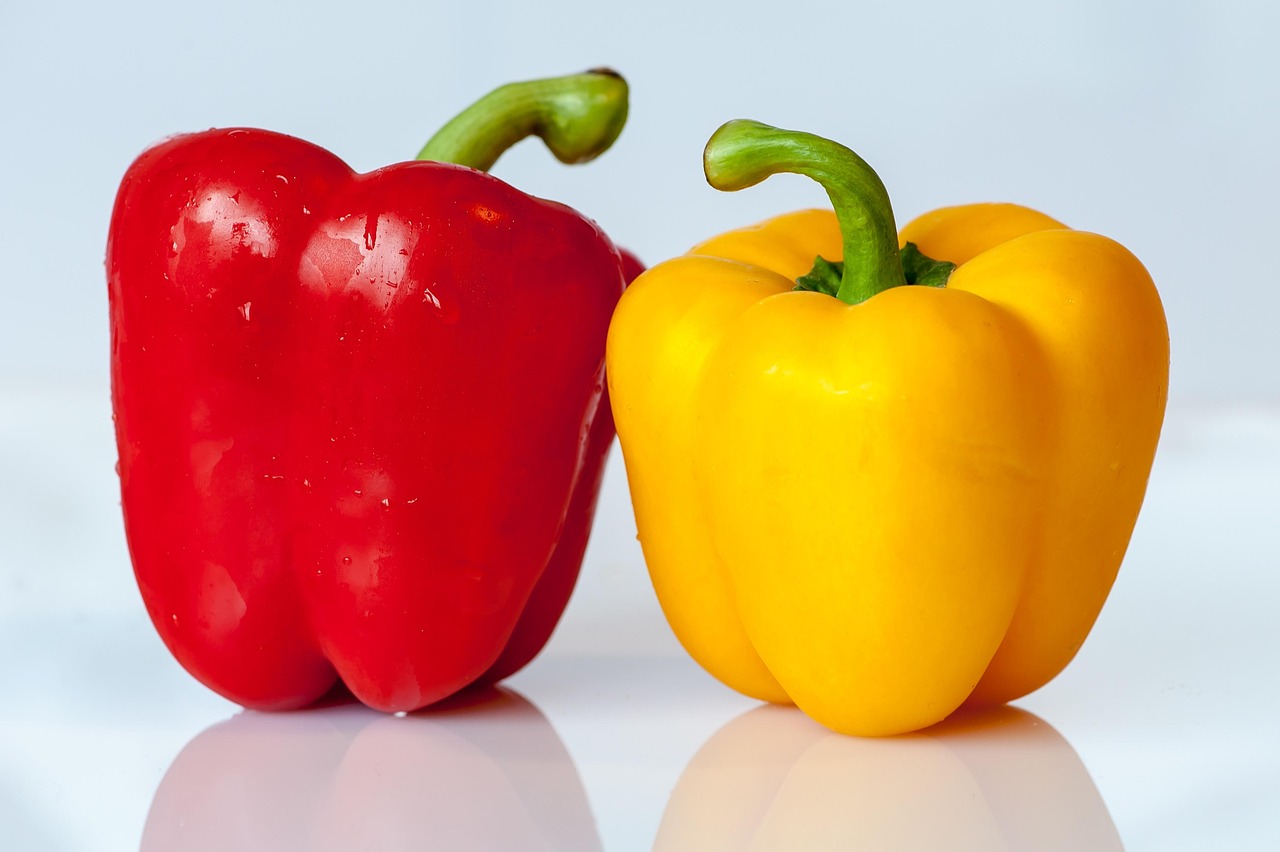
Bell peppers, or capsicums, are a colourful and genuinely healthy treat for chickens, as long as you stick to the fruit. As with potatoes and tomatoes, the pepper is a member of the nightshade family, so the leafy green parts of the plant are best kept away from the flock while the ripe fruit is welcome.
Can chickens eat bell peppers?
Yes, ripe bell peppers are a good treat for chickens, and you can offer them raw or cooked. The flesh and the seeds are both fine, so there is no need to scoop the middle out or fuss over preparation. Peppers are a nice source of vitamin C along with other vitamins, and their bright colour and crunch add a bit of interest to the run.
Chop a pepper into pieces or simply toss in the offcuts and cores from your own cooking, and let the flock get stuck in. Peppers slot neatly into the mix of fruit and veg that makes up a hen's treats, alongside foods like cucumber and tomatoes. For the bigger picture of a balanced diet, see what chickens should eat.
Fruit good, plant parts bad
Here is the key point to hold on to. Bell peppers belong to the nightshade family, the same group as potatoes, tomatoes and aubergines. While the ripe fruit is perfectly safe, the leaves, stems and flowers of the pepper plant contain the sort of compounds found in other nightshade greenery, and those green parts should not be fed to chickens.
In practice this only really matters if you grow your own. When you clear the plants at the end of the season, do not toss the prunings, leaves or plant tops into the run for the flock to tidy up. The fruit is the good bit; the greenery goes on the compost heap instead. Unripe green peppers, by the way, are the fruit and are fine, so it is the leaves and stems you are avoiding, not peppers that happen to be green.
A fun fact about hot peppers
Here is a curious bit of nature. Birds cannot sense capsaicin, the compound that makes chilli peppers hot to us. That means even a fiery chilli will not burn a chicken's mouth the way it would burn yours. It is thought to be a clever evolutionary trick, as birds happily eat hot peppers and then spread the seeds far and wide, while mammals that would chew the seeds up are put off by the heat.
That said, there is no particular need to feed your flock hot peppers, and sweet bell peppers are the sensible everyday choice. Stick to the mild, ripe fruit and your hens get all the vitamins and none of the fuss.
Serving peppers to your flock
Peppers could hardly be easier to share, and there is very little to remember beyond the fruit-good, plant-bad rule.
- Feed ripe bell pepper flesh and seeds, raw or cooked.
- Skip the leaves, stems and flowers of the plant.
- Wash shop-bought peppers before offering them.
- Keep peppers as one treat among many, and clear away leftovers before they spoil.