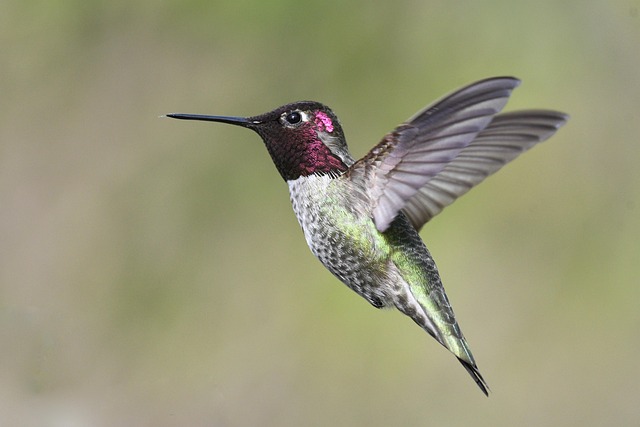
Hummingbirds head south each fall, with most leaving between late summer and mid autumn. The timing depends on your region and the species.
Fall departure timing
In northern areas, many hummingbirds begin moving south in August, with numbers thinning through September. In the middle and southern states, departures often stretch into October, and stragglers can appear later still. Shortening daylight, rather than temperature alone, is the main trigger that tells hummingbirds it is time to go. Adult males often leave first, followed by females and the young birds of the year.
Leaving your feeder up is fine
A common myth is that keeping a feeder out will convince hummingbirds to stay too long and get caught by cold. This is not true. Their departure is driven by day length and instinct, not by the presence of food. In fact, leaving a clean feeder up for a couple of weeks after you see your last bird can help late migrants passing through refuel. See how to clean a hummingbird feeder to keep it safe.
Where they go
Most hummingbirds from the United States and Canada winter in Mexico and Central America, and ruby-throated birds may cross the Gulf of Mexico to get there. A few, especially along the Gulf and Pacific coasts, linger through winter. To understand the whole seasonal cycle, read our hummingbird migration guide and browse the hummingbird hub for more.