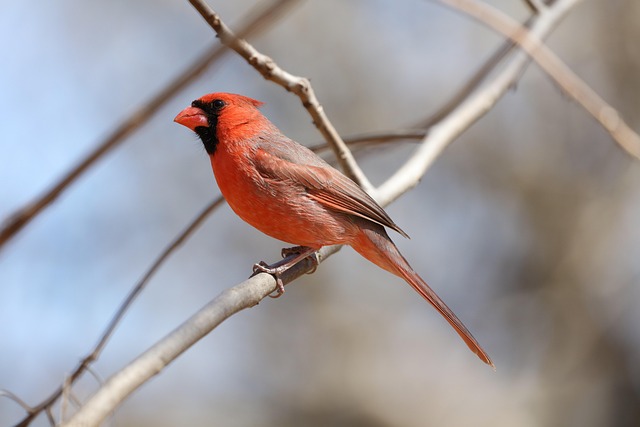
With their bright red feathers, cardinals are one of the most loved backyard birds — and one of the easiest to attract, because they are happy seed-eaters that stick around all year.
What cardinals eat
Cardinals are mainly seed and grain eaters, and they also enjoy fruit, berries and insects — with insects becoming especially important in spring for feeding their chicks. Because they do not migrate, cardinals rely on backyard feeders through the winter, which makes them regular, welcome visitors.
Their favourite feeder foods
The way to a cardinal's heart is black-oil sunflower seed and safflower seed — safflower is a particular favourite, with the bonus that squirrels and many pest birds dislike it. They also take cracked corn, peanuts and millet, cracking hard seeds open with their strong beaks.
How to attract cardinals
Cardinals are fairly large and like a stable place to perch, so use a platform feeder, hopper feeder or sturdy tray rather than a small hanging one. They often feed early morning and at dusk. Offer sunflower and safflower seed, provide water and some shrubby cover, and cardinals will happily become regulars.
How a cardinal's diet shifts through the year
Cardinals eat mainly seeds, fruit and berries, but their diet is not fixed all year round. In spring, insects such as beetles and caterpillars become far more important, as adults need this extra protein to feed their growing chicks. Once the breeding season passes, seeds and berries take over again. Helpfully for garden birdwatchers, cardinals do not migrate, so the same birds you see in summer will keep visiting your feeders right through the winter. This makes them one of the most reliable and cheerful splashes of colour in a cold-weather garden. Our page on how long cardinals live has more on their year-round lives.
A feeder tip: try safflower
If squirrels and larger 'bully' birds keep raiding your feeders, safflower seed is a clever trick. Cardinals happily eat safflower, but squirrels and many pushy birds tend to dislike its taste. By offering it, you give cardinals a chance to feed in peace, without having to compete for every mouthful. It is a simple change that can make your feeder far more welcoming to these striking red birds. If you would like to tell the sexes apart while you watch, our guide to what a female cardinal looks like will help.