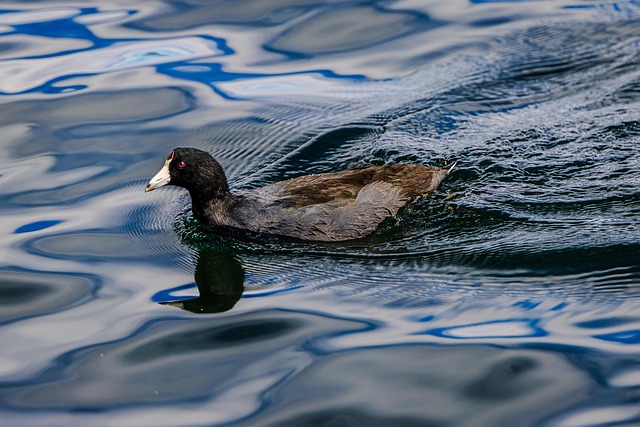
Ducks come in many wild species and domestic breeds, each with its own look and habits. Here are some of the most common types of ducks you are likely to see.
Common wild ducks
The mallard is the most widespread wild duck, with the drake showing a glossy green head. Wood ducks are strikingly colourful and nest in tree cavities near water. Teal are small, fast-flying dabbling ducks, while diving ducks such as tufted ducks and pochards feed underwater. Most wild ducks are omnivores that forage on plants, seeds and small invertebrates. To learn more about what they eat, see our guide to what ducks eat.
Domestic duck breeds
Many domestic ducks descend from the wild mallard. The pekin is a large white breed kept for eggs and meat, and often seen on farms. The muscovy is a distinctive breed with facial caruncles that actually descends from a separate wild species. Runner ducks stand upright and are prized layers, while call ducks are small and popular as pets. Domestic breeds are generally heavier and less able to fly than their wild relatives.
Dabbling ducks versus diving ducks
Ducks are often grouped as dabblers or divers. Dabbling ducks, such as mallards, teal and wood ducks, feed at or near the surface, tipping forward to reach plants and food just underwater. Diving ducks plunge fully beneath the surface to forage, and often need a running start across the water to take off. Understanding this split helps explain where you will spot different ducks. For a wider look at these birds, visit our water birds hub.