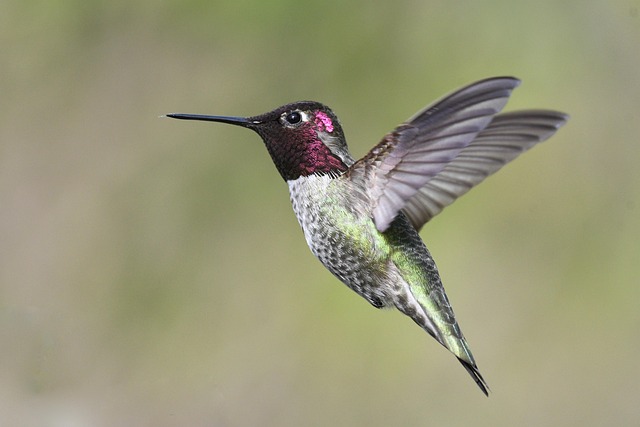
Despite their speed and agility, hummingbirds have a surprising number of predators. Their small size makes them a target for animals both expected and unexpected.
Insects and other ambush hunters
One of the most surprising predators is the praying mantis, which can wait motionless on a flower or feeder and seize a hummingbird that comes to drink. Large orb-weaving spiders occasionally catch small hummingbirds in their webs as well. Because hummingbirds are drawn in close to feed, these sit-and-wait hunters get chances that faster predators do not. Keeping the area around a feeder clear can reduce these ambush risks.
Birds, cats and reptiles
Fast-flying birds of prey such as small hawks and falcons can catch hummingbirds in the air, and even larger birds like jays may take eggs or chicks from nests. Domestic and feral cats are a serious threat to hummingbirds that fly or perch low. In warmer regions, frogs, large fish and snakes have been known to grab hummingbirds near water or low flowers. Placing feeders away from low cover helps keep visiting birds safer.
Keeping feeder birds safer
You can lower the risks at your own feeder with a few simple steps. Place feeders in open spots away from dense shrubs where cats can hide, keep pet cats indoors, and check feeders for lurking insects like mantises during late summer. A clean, well-placed feeder attracts healthy birds while giving them room to escape. See where to hang a hummingbird feeder and visit the hummingbird hub for more.