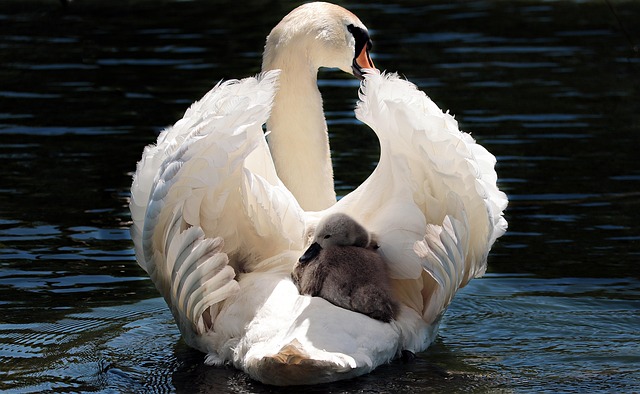
Swans are among the longest-lived waterfowl and often pair for many years. Here is how long swans live in the wild and in captivity.
How long swans live
Wild swans commonly live around 10 to 20 years, with many reaching the upper end once they survive their vulnerable first year. In captivity or protected settings, where food is reliable and predators are absent, swans can live longer still, occasionally into their late twenties or beyond. Mute swans, whooper swans and other species have broadly similar lifespans. Their long lives suit their habit of forming lasting pair bonds and returning to the same territories each year.
What affects a swan's lifespan
Many swans die young from predators, disease, harsh winters or collisions with power lines. Lead poisoning from swallowing discarded fishing weights and litter has historically been a serious threat. Safe habitat, clean water and a good food supply all help swans live longer. Adult swans have few natural predators thanks to their size and strength. For related lifespans, see how long ducks live and our water birds hub.
Threats to a swan's long life
Swans can live for decades, but several dangers stand in the way. Historically, lead poisoning was a major one, caused by swallowing anglers' weights whilst feeding on the riverbed. These lead weights are now banned in the UK, which has helped greatly. Other threats remain, including:
- Collisions with power lines and bridges.
- Territorial fights between rival swans.
- Disturbance from people and dogs near nesting sites.
See more of their world in our water birds guide, or read up on what swans eat.
Swans in the wild versus protected settings
Where a swan lives makes a real difference to how long it survives. Wild mute swans often reach ten to twelve years, and some live to twenty or thirty when conditions are kind. Swans in parks and collections tend to do best of all. Safe from many hazards, regularly fed and watched over by people, these protected birds can live the longest lives of any, comfortably passing the ages typical in the wild. A settled, sheltered home clearly suits them.