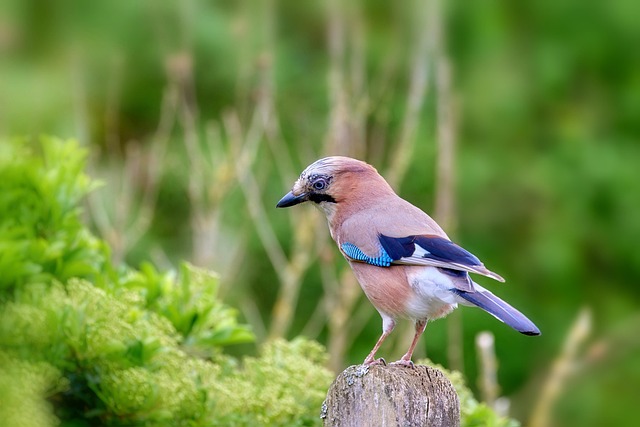
Blue jays are bold, intelligent members of the crow family, and that cleverness helps them live longer than many garden birds their size.
The average blue jay lifespan
Wild blue jays live around 7 years on average. As with all small birds, many young jays do not survive their first year, but their intelligence, boldness and varied diet help a good number reach a solid age.
Blue jays that live longest
Blue jays that beat the early odds can live 15 to 17 years, and the oldest recorded wild blue jay reached around 26 years. Being members of the highly intelligent corvid family — the same group as crows and ravens — likely helps them avoid danger and find food.
Helping blue jays thrive
Support blue jays with peanuts, sunflower seed and a reliable water source, along with trees and shrubs for shelter and nesting. Keeping cats indoors and making windows visible reduces two of the main hazards these bold birds face.
What kills most blue jays
Blue jays are bold and striking, but they face plenty of danger. The main threats include:
- Hawks, which hunt them from above.
- Cats and vehicles around gardens and roads.
- Window strikes against large panes of glass.
- West Nile virus, which hit the crow family especially hard.
With hazards like these, the average wild blue jay lives around seven years, though a lucky few do far better. You can find more of their relatives in our songbirds guide.
Why clever birds live longer
Blue jays belong to the intelligent crow family, and that cleverness helps them survive. They have excellent memories for the food they cache, hiding away acorns and seeds and returning to them later. They are also wary birds, quick to spot a predator and raise the alarm. This mix of good memory and caution gives them an edge over less canny species. It shows in the records too: the oldest wild-banded blue jay reached about twenty-six years and eleven months, a remarkable age for a garden bird.