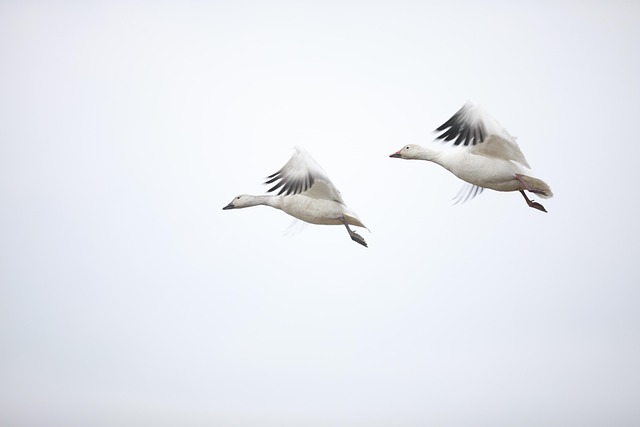
Geese are powerful fliers, and many migrate huge distances each year. Here is how well geese fly and the facts behind their famous formations.
Can geese fly?
Yes, most geese are strong, capable fliers. Wild geese fly readily and can reach considerable speeds and altitudes on migration. They take off from water or land with a running start and beat their broad wings powerfully. Some domestic geese, bred to be heavy for meat, can only manage short low flights or cannot fly at all. But in the wild, flight is central to how geese find food, escape danger and reach breeding and wintering grounds.
Migration and V formations
Many geese are long-distance migrants, travelling thousands of miles between summer breeding grounds and warmer wintering areas. They famously fly in a V formation, which helps the flock save energy as each bird drafts behind the one ahead, and makes it easier to keep the group together. The lead position is tiring, so birds take turns at the front. This teamwork lets geese cover long distances efficiently. For more on these birds, see our water birds hub and how long geese live.
Why most domestic geese cannot fly
If you have watched farmyard geese, you may have noticed they rarely take to the air. That is no accident. Domestic geese have been bred over generations to grow large and heavy, and their bodies are simply too big for their wings to lift off the ground. Some lighter domestic breeds fare a little better and can still manage short, low flights, but the heavy table breeds are effectively grounded. It is a reminder of how much breeding by people can change a bird, turning a strong flier into one that keeps its feet firmly on the earth. See our page on what geese eat for more on their care.
The remarkable flights of wild geese
Wild geese are a completely different story. Far from being grounded, they are powerful migratory fliers, travelling thousands of miles between their breeding and wintering grounds. Many fly in the familiar V-formation, and there is clever teamwork behind it: each bird drafts in the slipstream of the one ahead, saving energy over the long journey. Some geese even fly at remarkably high altitudes to cross mountains and open country. It is one of nature's great spectacles, and a striking contrast to their heavy farmyard cousins. Our page on how long geese live follows them through their lives.