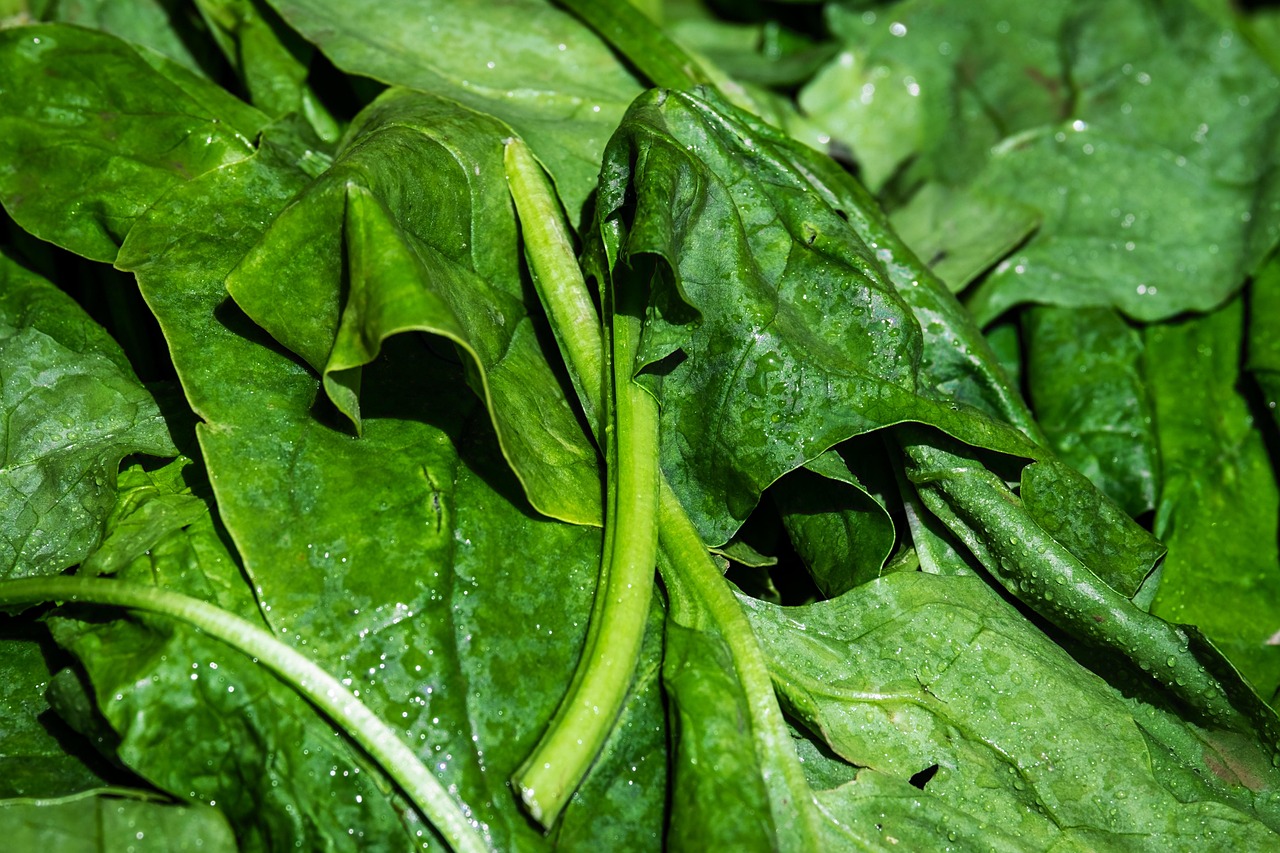
Spinach often gets a reputation as a superfood, but for laying hens it comes with a small catch. It is perfectly fine as an occasional treat, yet there is a good reason not to make it the everyday green in your run. Once you know the reason, it is easy to fit spinach into the diet sensibly.
Can chickens eat spinach?
Yes, chickens can eat spinach, and a little now and then is perfectly fine. It is rich in vitamins and minerals, and most hens will happily peck at a handful of leaves scattered on the ground. The key word, though, is little, because spinach is one green that is better fed sparingly than daily, for reasons to do with a laying hen's need for calcium.
If you want a leafy green for more frequent feeding, other options are a better bet. Foods like lettuce and cabbage can be offered more often without the same drawback, so they make better everyday staples. See what chickens should eat for how to balance their greens across the week.
Why spinach should be limited
The reason to go easy on spinach is its oxalic acid content, sometimes called oxalates. Oxalic acid binds to calcium in the digestive system and can stop some of that calcium being absorbed. For a laying hen, calcium is precious, because a great deal of it goes into building a strong shell around every single egg she lays, so anything that gets in the way of calcium absorption is worth keeping to a minimum.
An occasional serving of spinach is not going to undo a good diet, especially if your hens have a proper layer feed and access to grit or oyster shell for extra calcium. The concern is only with large, regular helpings, day after day, which over time could nibble away at the calcium they need. That is exactly why spinach is best thought of as a treat rather than a staple green.
Calcium and strong eggshells
It is worth understanding why calcium matters so much, because it explains the whole caution around spinach. A laying hen puts a remarkable amount of calcium into her eggshells, and if she runs short, you may start to see thin or soft-shelled eggs. Most keepers offer crushed oyster shell in a separate pot so hens can top up as they need it, alongside a complete layer feed that is already balanced for calcium.
Against that backdrop, a green that ties up calcium is best kept occasional rather than banned. Feed spinach now and then and keep the oyster shell available, and you get the best of both without any worry.
How to fit spinach into the diet
Used sensibly, spinach is a fine part of a varied treat rotation. The trick is simply to keep the portions small and the frequency low, and to lean on other greens for everyday feeding.
- Offer a small handful of spinach now and then, not every day.
- Rely on lettuce, cabbage and other greens for more frequent feeding.
- Make sure laying hens have layer feed and a calcium source such as oyster shell.
- Wash the leaves and remove any left behind before they wilt and spoil.