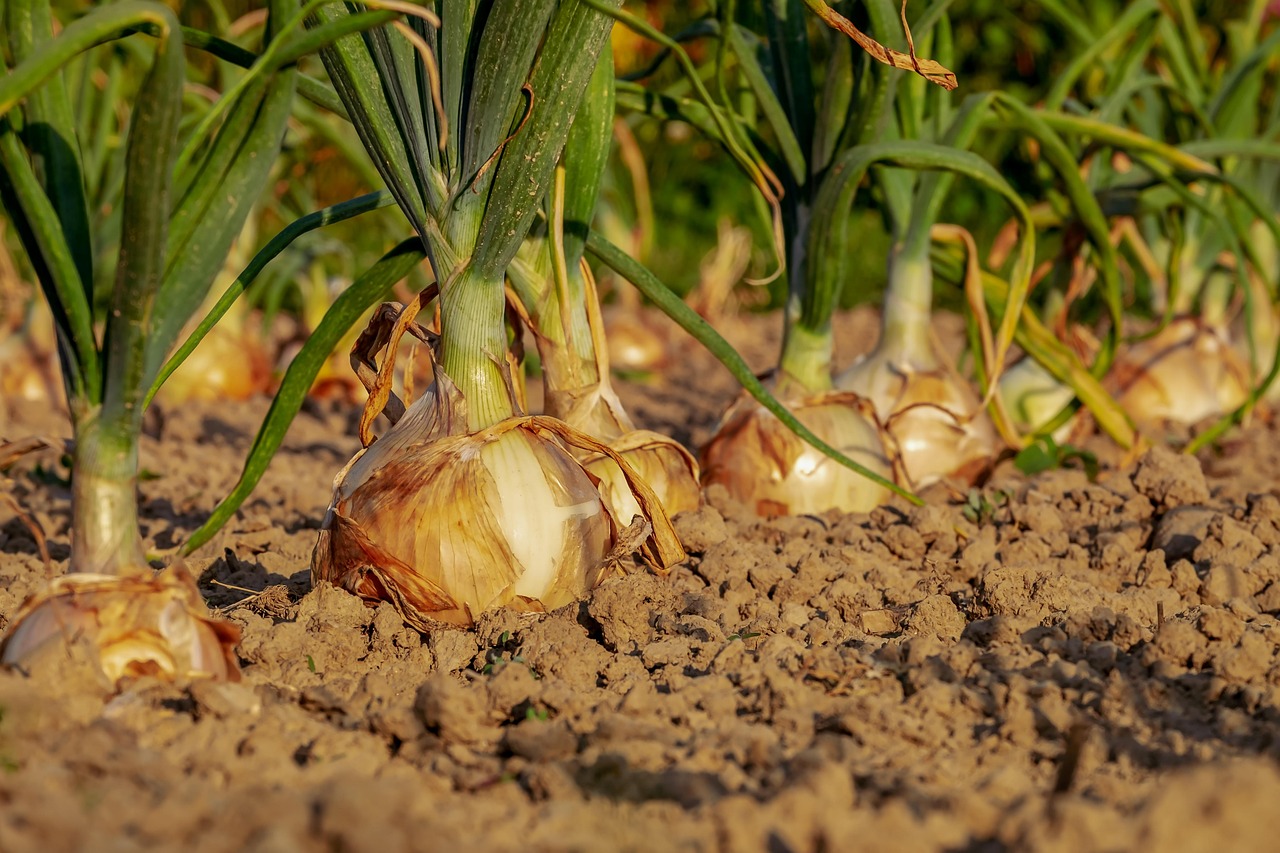
Onions are not as instantly dangerous as avocado, but they still belong on the avoid list. The whole onion family carries a compound that can cause trouble when it is fed often or in quantity, so it is worth knowing exactly where the line sits before you tip your kitchen scraps into the run.
Can chickens eat onions?
The sensible answer is no, do not feed onions as a treat. Onions belong to the allium family, along with garlic, leeks, spring onions and chives, and all of these plants contain a compound called thiosulphate. In larger amounts, or fed regularly, thiosulphate can damage the red blood cells that carry oxygen around a hen's body, which is not something you want to risk for the sake of a scrap.
The reassuring part is that a single small piece finding its way into the run is very unlikely to kill a healthy hen, so there is no need to panic over one stray bit of onion in the peelings. The real danger is repeated or generous feeding over time. Given that, the simplest rule to follow is just to keep onion, cooked or raw, off the menu altogether. For foods that genuinely do your flock good, see what chickens should eat.
Why onions can be a problem
When a chicken takes in enough thiosulphate, it can trigger a condition called haemolytic anaemia, where red blood cells break down faster than the body can make new ones. A bird with anaemia may become weak and lethargic, look pale in the comb and wattles, and grow short of breath. In a laying hen, that kind of strain is the last thing you want, since her body is already working hard.
An important point is that cooking does not reliably get rid of the compound, so cooked onion is no safer than raw. That rules out sharing leftovers such as onion gravy, fried onions or a stew with plenty of onion stirred through. It is the concentration and the regularity that matter, which is why onions sit firmly on the avoid list while a nibble of many other vegetables is perfectly fine.
What about garlic, leeks and chives?
The other alliums are worth a quick word, because they come up a lot. Leeks and chives sit in the same family and carry the same sort of compound, so treat them the same way and keep them off the treat list. Garlic is a slightly different story. Some keepers do add a very small amount of crushed garlic to feed or water, and tiny culinary traces are a world away from a plate of raw onion.
Even so, onions themselves are stronger and more concentrated than a hint of garlic in the drinker, which is exactly why the general advice for onions is simply to avoid them. If you are keen to try garlic for your flock, keep amounts genuinely tiny and treat it as a supplement rather than a food.
Safer greens and vegetables instead
The good news is that chickens have no shortage of safe vegetables to enjoy, so there is really no reason to gamble on the onion family at all. Leafy greens make far better regular treats and go down just as well.