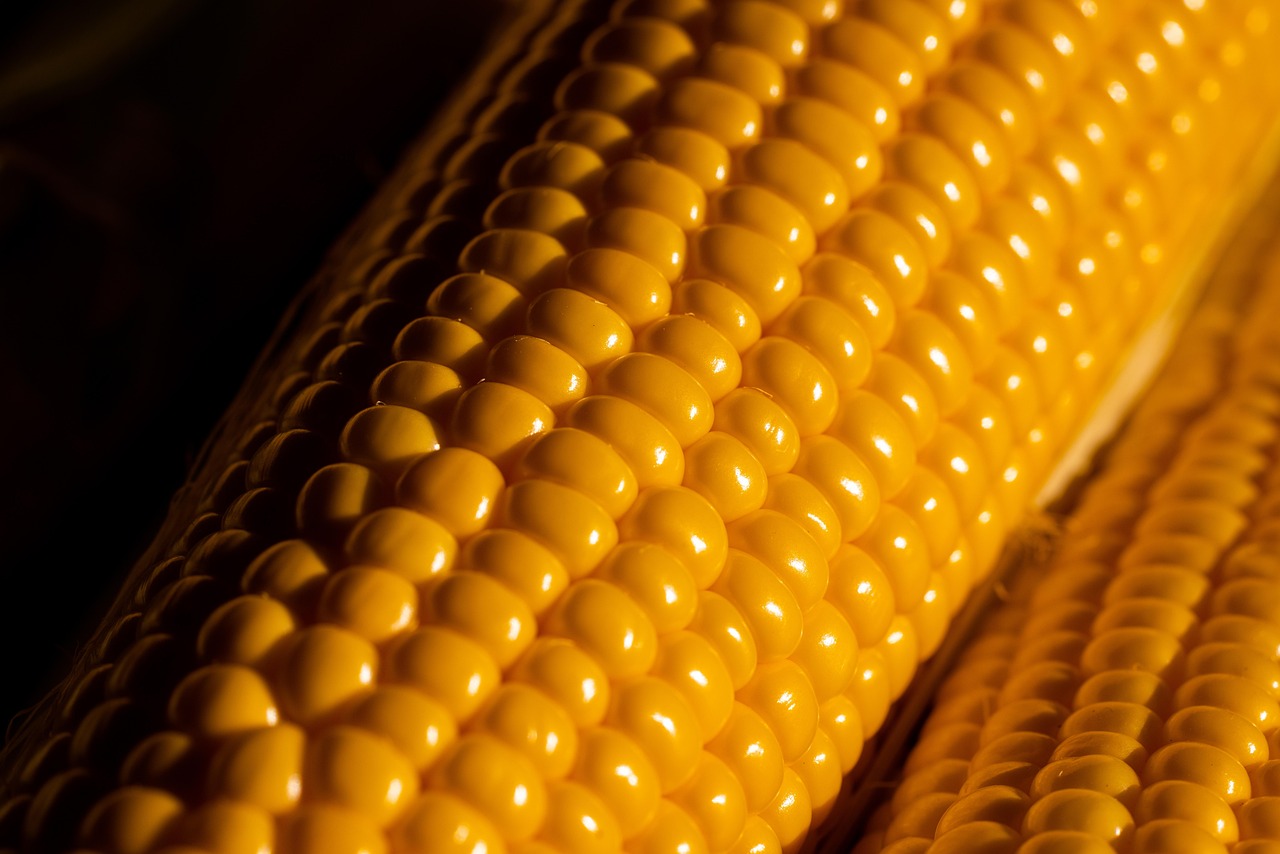
If there is one food that gets a flock running across the run, it is corn. Chickens love it in every form, and a cob keeps them busy for ages. The only thing to watch is the quantity, because corn is more of a tasty indulgence than a balanced meal, and it is easy to let a favourite treat creep into becoming a staple.
Can chickens eat corn?
Yes, and it is one of the great favourites of the chicken world. You can offer sweetcorn fresh off the cob, cooked, or tinned and rinsed to wash off the added salt, and hens will happily take it any way it comes. Dried corn works too and stores well. A whole cob is especially good value, because the flock will peck it clean and clearly enjoy the challenge of stripping every kernel off.
Corn is a treat, though, not a replacement for proper feed. It should sit alongside other scraps as part of the fun extras, while a complete layer feed does the real nutritional work. You can browse plenty more everyday foods across our backyard chicken guides.
Why corn is fattening
Corn tastes good to chickens for exactly the same reason it is easy to overdo, which is that it is packed with carbohydrate and energy. What it is not is a complete food. Corn is low in the balanced protein, vitamins and minerals a laying hen needs, so a diet that leans too heavily on it can leave a bird overweight and yet, oddly, undernourished at the same time.
The same caution applies to scratch mixes, which are usually corn-based. Scratch is a treat by design, meant to be scattered for the flock to forage and scratch about for, rather than tipped into the feeder as a meal. Used that way it is great for keeping hens active and occupied; used as a main food, it quietly unbalances the diet.
A warming treat for cold nights
There is a nice seasonal use for corn worth knowing. A small handful of corn or scratch thrown down in the late afternoon, just before the hens go up to roost on a cold night, makes a lovely warming snack. Digesting all that carbohydrate overnight generates a little body heat, which can help the flock stay cosy when the temperature drops.
The key word, as ever, is small. A handful for the flock to share is plenty; a bucketful every evening would soon show up as overweight, sluggish hens. Think of it as a bedtime treat rather than supper.
Keeping corn a treat
The way to enjoy corn without the downsides is simply to keep the portions modest and let proper feed lead the diet. Treat corn as pudding, not dinner.
- Offer corn fresh, cooked or dried, and a whole cob for entertainment.
- Do not let corn or scratch replace a complete layer feed.
- A small handful of scratch before roosting on cold nights is a nice warming treat.
- Provide grit so hens can grind dried corn, and always have fresh water available.