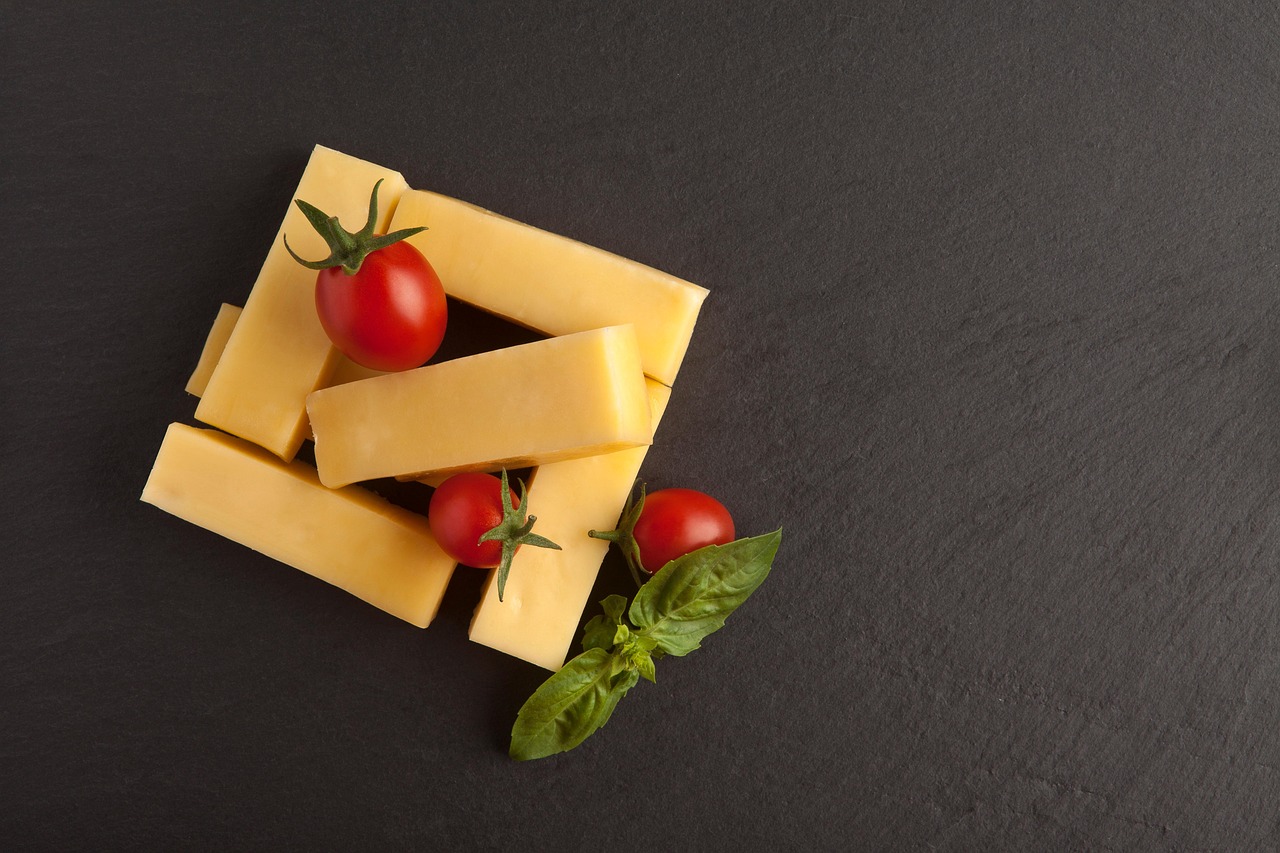
Cheese is a bit of an indulgence for chickens rather than a necessity. They can manage a little without any trouble, and it even offers some protein and calcium, but dairy is not something their bodies are really built for. That makes restraint the watchword, so let us look at how much is sensible and which cheeses to choose.
Can chickens eat cheese?
Yes, chickens can have small amounts of cheese now and then, and most will be delighted to get it. A little hard cheese, such as a nub of cheddar, provides some protein and calcium, both of which are genuinely useful to a laying hen. So in strict moderation, cheese is generally tolerated and does no harm, and it can even be a handy treat during the moult when hens appreciate extra protein.
The important thing is to keep it genuinely small and occasional. Cheese is a rich, fatty treat rather than an everyday food, and there are plenty of lighter options for regular feeding. See what chickens should eat for the everyday basics, and browse our backyard chicken guides for more treat ideas.
Why dairy needs to be limited
Chickens have no true dietary need for dairy, and their digestive systems are not well set up for lactose, the natural sugar found in milk products. Feed too much and you may notice loose droppings, which is a clear sign their gut is struggling to cope with it. That is exactly why the advice is always small amounts rather than a proper helping, however much they would like more.
It helps to know that hard, aged cheeses are naturally lower in lactose than soft ones. That is part of why a little hard cheese sits far better with a hen than, say, a spoon of cream cheese or a lump of soft brie would. If you keep amounts tiny and stick to firm cheeses, most hens handle it comfortably.
Which cheeses to choose and which to skip
Not all cheese is equal from a chicken's point of view. Hard cheeses such as cheddar are the best bet, both for their lower lactose and for the protein and calcium they carry. What you want to avoid are soft, processed and heavily salted cheeses. Processed cheese slices, very salty varieties and soft cheeses are all best kept back.
Salt is the main worry with the salty types, because chickens do not tolerate much salt, and blue or heavily flavoured cheeses simply are not worth the risk when the treat is only meant to be a small one anyway. Keep it plain and firm, and keep it small.
Serving cheese sensibly
If you fancy sharing a bit of cheese, keeping it small and simple is really all it takes. Think of it as a rare bonus rather than a regular part of the diet.
- Offer tiny amounts of hard cheese, such as cheddar, only occasionally.
- Avoid soft, processed and heavily salted cheeses.
- Cut it into small pieces so it is easy to peck and share around the flock.
- Ease off if you notice loose droppings, and always have fresh water available.