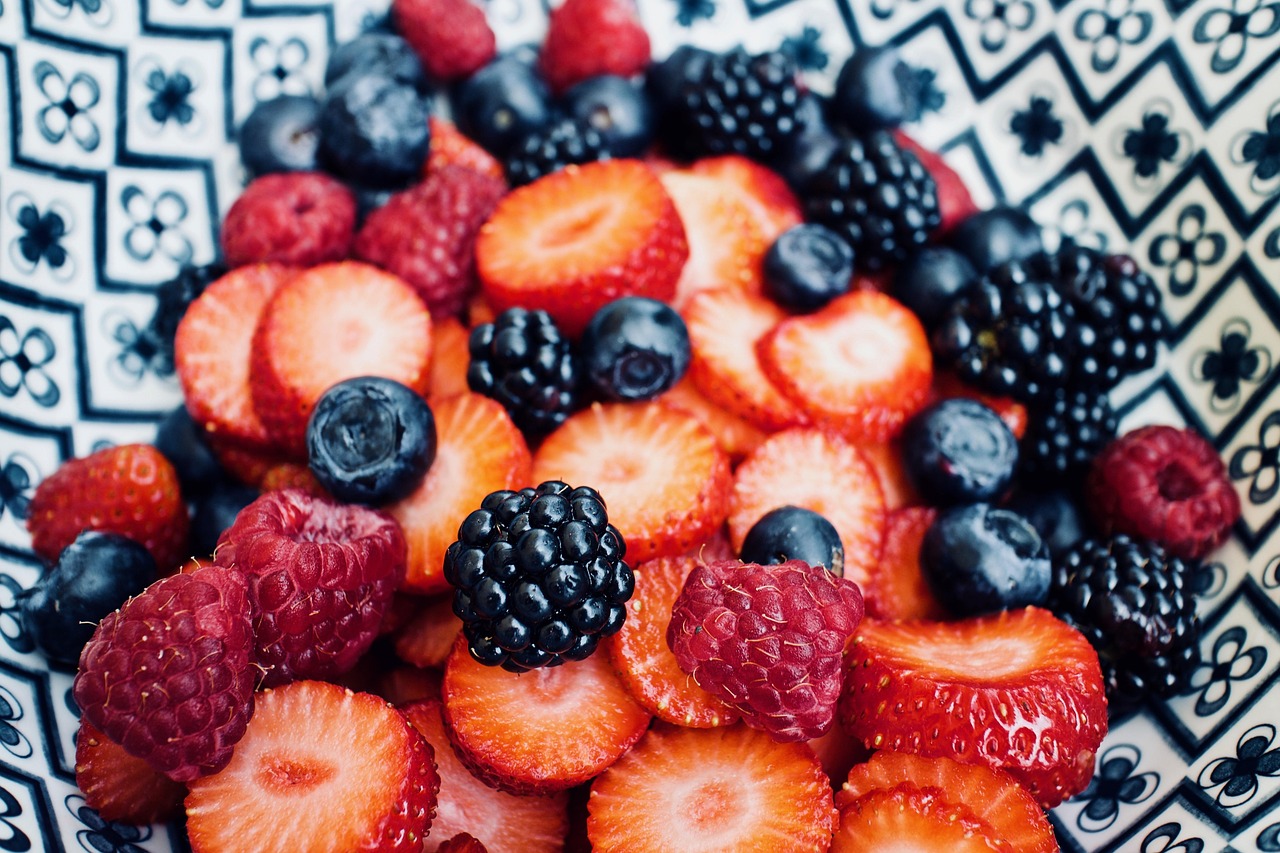
Blueberries are one of the best fruit treats you can offer a flock — small, nutritious and genuinely loved. Here is why they are such a good choice and how to feed them.
Can chickens eat blueberries?
Yes, and they are one of the better fruits to share. Blueberries are packed with antioxidants, and chickens find them irresistible — do not be surprised if your flock stains their beaks blue in their eagerness. They are small enough to feed whole with no choking concern, and they are lower in sugar than many other fruits, which makes them a slightly more forgiving treat. That said, they are still a treat, not a staple, and should sit within the usual guideline of treats making up around a tenth of the diet. The rest should be a complete layer feed, as explained in our guide to a balanced chicken diet. For more ideas, browse our backyard chicken guides.
Health benefits of blueberries for chickens
Blueberries are best known for their antioxidants, which support overall health and are thought to help the body cope with everyday stresses. They also bring vitamins and a little fibre, and because their sugar content is lower than that of grapes or bananas, you can feel a bit more relaxed about handing them out. Their small size and soft skin make them very easy to eat and digest, so they suit birds of all ages once past the very early chick stage.
They also happen to be brilliant for entertainment. Scatter a handful across the run and your hens will spend a happy few minutes hunting them down, which is great for keeping an active flock occupied. They combine nicely with other berry favourites such as strawberries.
Do not be alarmed if your birds' droppings take on a bluish tinge for a day after a good helping of blueberries — that is just the deep pigment passing through and is completely harmless. It is one of those small, slightly comical signs that your hens have been enjoying themselves, and it settles back to normal on its own.
How to feed blueberries to your chickens
Blueberries need almost no preparation, which is part of their appeal. They can go straight to the flock whole.
- Give them a quick wash to remove any pesticide residue.
- Feed them whole — there is no need to cut them.
- Scatter them to encourage natural foraging and sharing.
- Keep portions modest despite the lower sugar; a handful shared across the flock is plenty.
- Make sure grit and fresh water are always available.
Fresh, frozen or from the garden
Fresh blueberries are ideal, but frozen ones work well too — some keepers hand out a few frozen berries on hot days as a cooling treat. If you grow blueberries in the garden, the birds will happily hoover up any that fall or that you cannot use. Whichever you choose, keep them as an occasional bonus rather than a daily ration. Even a low-sugar fruit becomes too much if it starts crowding out the balanced feed that keeps your hens laying and healthy. A rounded handful shared between a small flock two or three times a week strikes a sensible balance, giving your birds the goodness of the berries without letting treats take over their diet.