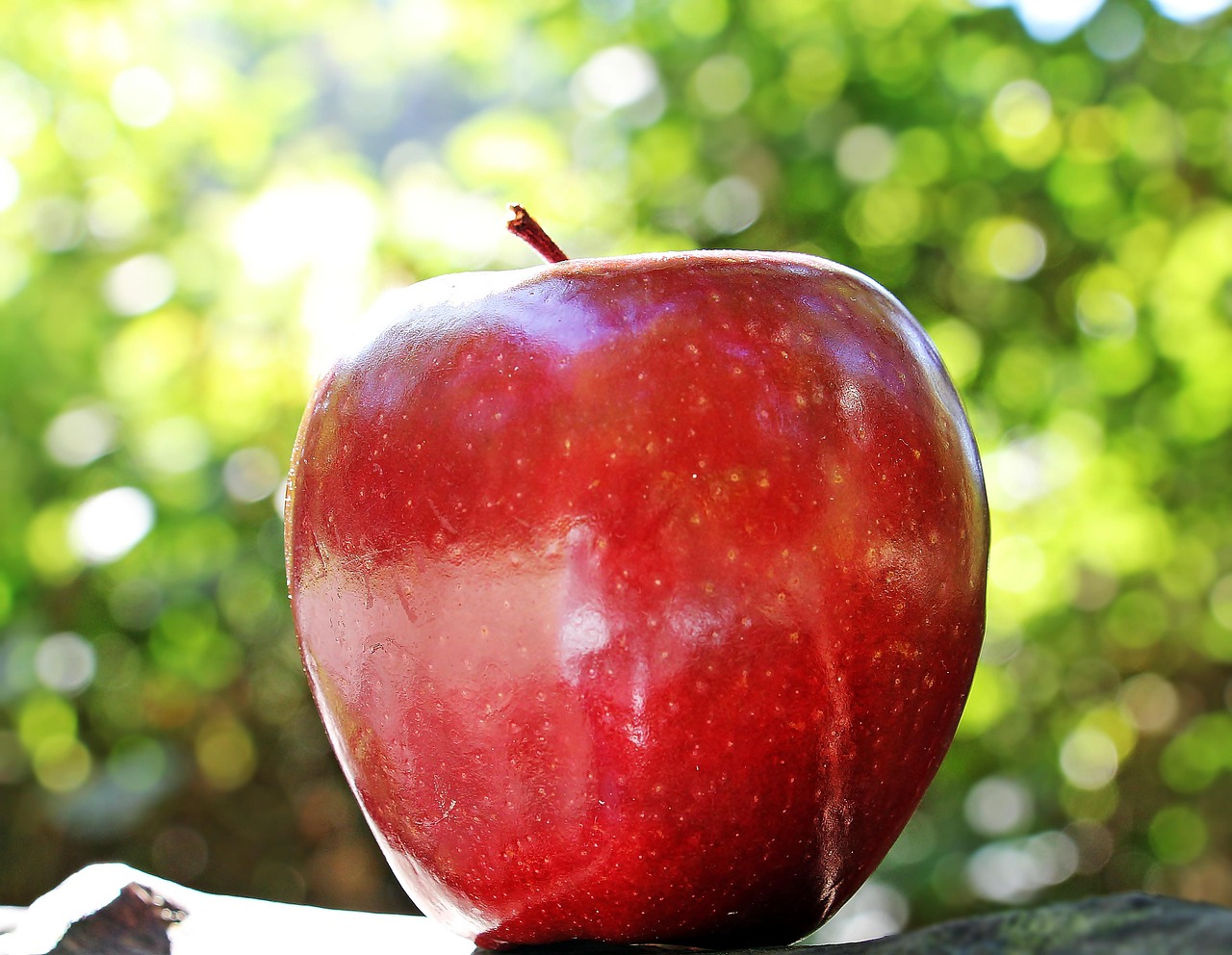
Apples are one of the easiest treats to share with a backyard flock, and most hens come running the moment they spot a slice. Here is which parts are safe, which one to watch, and how much to give.
Can chickens eat apples?
Yes. Apple flesh is a safe, wholesome treat that chickens genuinely enjoy pecking at. It brings a useful dose of fibre along with vitamins, and the crunch keeps a bored flock busy on a wet afternoon. The important word, though, is treat. Apples should sit alongside a proper balanced chicken diet, not replace it. A good rule of thumb kept by most keepers is that treats of all kinds — fruit, veg and scraps — should make up no more than around a tenth of what your birds eat in a day. The other ninety per cent needs to be a complete layer feed or pellet so your hens get the calcium and protein they rely on for laying and general health.
Health benefits of apples for chickens
Apples are mostly water and fibre, which makes them a light, refreshing snack rather than a heavy one. The fibre supports healthy digestion, and the natural sugars give a little energy boost, which is handy on cold mornings. Because they are moist, they also help with hydration on warmer days, though nothing beats a constant supply of clean, fresh water for that.
The peel is perfectly safe and actually holds a good share of the fruit's nutrients, so there is no need to peel apples for your flock. Do give them a wash first to rinse off any pesticide residue, especially if they are shop-bought rather than from your own tree. If you like giving fruit, apples pair nicely with other favourites such as strawberries and the odd handful of grapes.
Both eating apples and cooking apples such as Bramleys are safe for chickens, though cooking apples are sharper and your birds may be less keen on them. If you have an apple tree in the garden, windfalls that are bruised or half-pecked by wild birds are ideal for the flock, as long as they have not actually started to rot. A slightly soft apple that you would not fancy yourself is often exactly what your hens will fall upon most eagerly.
How to feed apples to your chickens
The simplest approach is to chop an apple into chunks or slices and scatter them so the whole flock gets a share rather than one bossy hen hogging the lot. Some keepers cut an apple in half and let the birds peck it down to the skin, which doubles as a bit of entertainment.
- Wash the apple to remove surface pesticides, then chop it into manageable pieces.
- Scatter or hang the pieces so several birds can join in.
- Feed apples a couple of times a week at most, not every single day.
- Always make sure grit is available, as chickens need it to grind treats down properly.
- Clear away any browning leftovers before they draw flies or rats.
The one part to be careful with
Apple pips contain a compound called amygdalin, which can release small amounts of cyanide when crushed and digested. In the tiny quantities found in a few seeds this is harmless, and a hen that swallows the odd pip will be completely fine. The sensible caution is simply not to let your birds gorge on whole cores packed with seeds. The easiest fix is to chop the apple, bin most of the core, and let the flock have the flesh. In practice a hen would need to eat a very large number of crushed pips in a single sitting for it to cause any real harm, which is why the odd swallowed seed is nothing to worry about — the caution is purely about habit and quantity, not the occasional pip. If you ever feel one of your hens seems unwell after eating something, it is always worth a quick word with a vet.