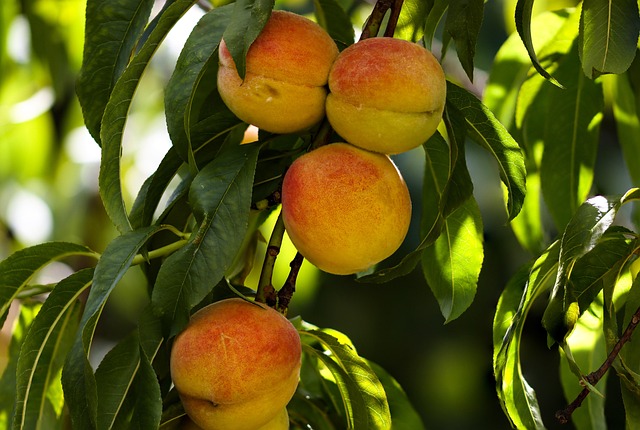
Peaches are a soft, juicy summer fruit that birds can enjoy — with the same important rule that applies to all stone fruits: the flesh is safe, but the pit is not.
The short answer
Yes — birds can eat peach flesh, but never the pit. The sweet, soft flesh makes a lovely treat, but the stone (pit) contains compounds that release cyanide, so it must always be removed and kept away from your bird.
Why the pit is dangerous
Like cherry, plum and apricot stones, a peach pit contains amygdalin, which releases cyanide when crushed. For a small bird this is a real hazard, so never let your bird near the stone.
How to feed peaches
Wash the peach, remove the pit completely, and offer a small piece of ripe flesh. The washed skin is fine to leave on. Keep it a treat, as peaches are sugary, and offer a small amount occasionally.
The same rule for all stone fruits
Peaches are not alone in needing care. Plums, cherries, apricots and nectarines all share the same danger. In every case the flesh is perfectly fine, but the stone (or pit) contains a compound called amygdalin, which releases cyanide when it is crushed or chewed. The simple rule is always the same: remove the stone completely before you offer any of these fruits, and never let your bird gnaw on it. Once the stone is gone, the soft flesh is a lovely treat. The same care applies to apple pips, which you can read about on our apples page.
Peach nutrition for birds
Peach flesh is a genuinely healthy nibble. It provides vitamins A and C along with fibre, all of which support your bird in small amounts.
- Peaches are sugary, so treat them as an occasional food, not a daily one.
- Wash the skin well to remove pesticide residue, or peel it if you prefer.
- Avoid tinned peaches in syrup, which are loaded with added sugar.
- Chop the flesh small so it is easy to handle.