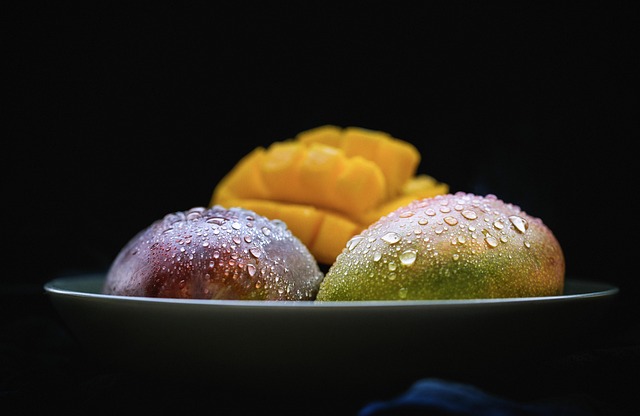
Mango is a sweet tropical fruit that many birds love, and it brings a genuine nutritional bonus in the form of vitamin A, which supports healthy feathers and skin.
The short answer
Yes — birds can eat mango. The soft, ripe flesh is a favourite of many parrots and smaller birds alike, and its vitamin A content is a real plus for feather, skin and eye health. It is sugary, though, so it stays a treat.
Skip the skin and pit
Offer only the soft flesh. The skin can be tough and is often sprayed, and the large pit should never be given. Peel the mango, cut away a small piece of ripe flesh, and discard the stone.
How to feed mango
Give a small piece of ripe flesh in a dish, a few times a week at most. Ripe, soft mango is easiest for birds to eat. Remove leftovers after a couple of hours, as soft fruit spoils quickly.
Mango and vitamin A
Mango is a standout for one particular reason: it is rich in vitamin A, which supports healthy skin, feathers, vision and immunity. This is a genuine benefit for pet birds, because seed-heavy diets often run low in vitamin A, and a deficiency can cause real health problems over time. Mango also provides vitamin C. A little fresh mango is therefore a treat with real value behind it. For another vitamin-rich fruit to rotate in, see our page on oranges, and if you notice any signs of ill health, an avian vet is the right person to ask.
Fresh mango versus dried
Fresh mango is always the best choice. Dried mango is fine in tiny amounts, but there are a couple of things to keep in mind.
- Drying concentrates the sugar, so dried mango is much sweeter than fresh.
- Shop-bought dried fruit may have added sugar or sulphur, so check the label.
- Remove the skin and the large stone before offering fresh mango.
- Because it is sweet and sugary, keep mango to an occasional treat.